


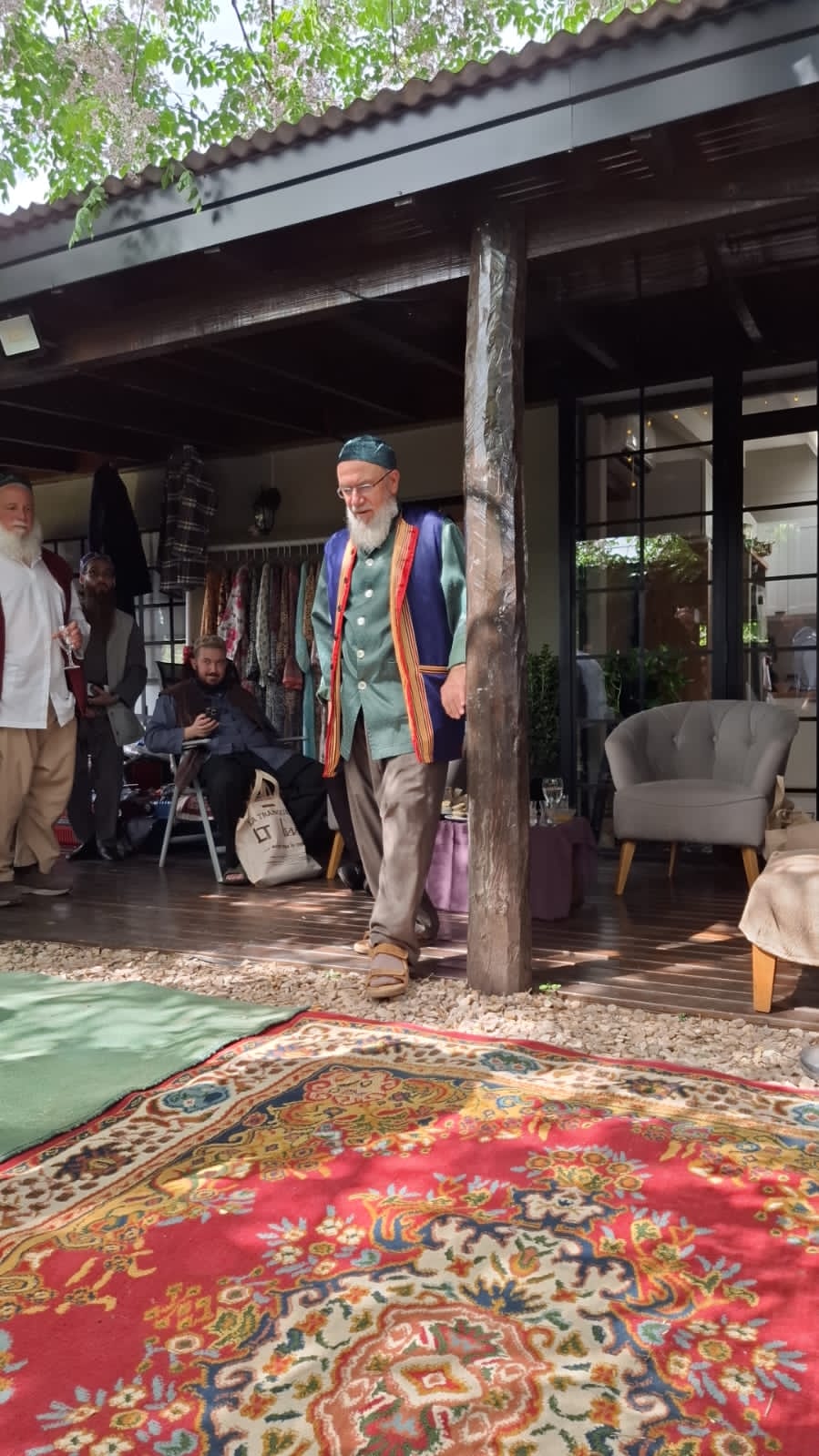


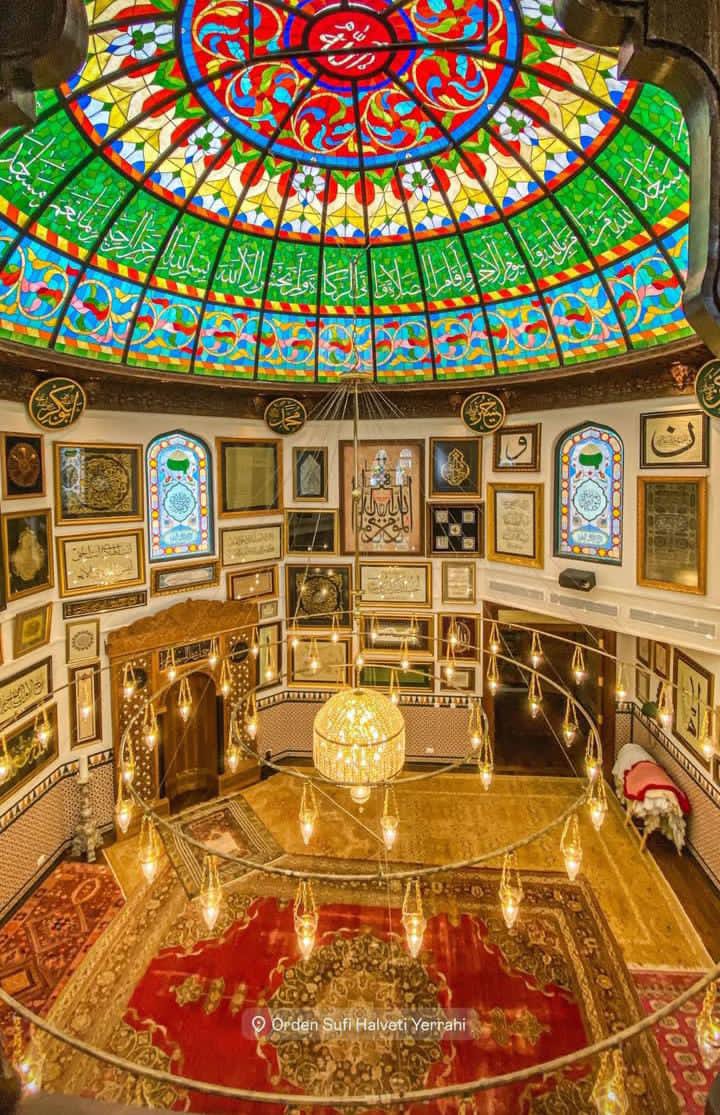
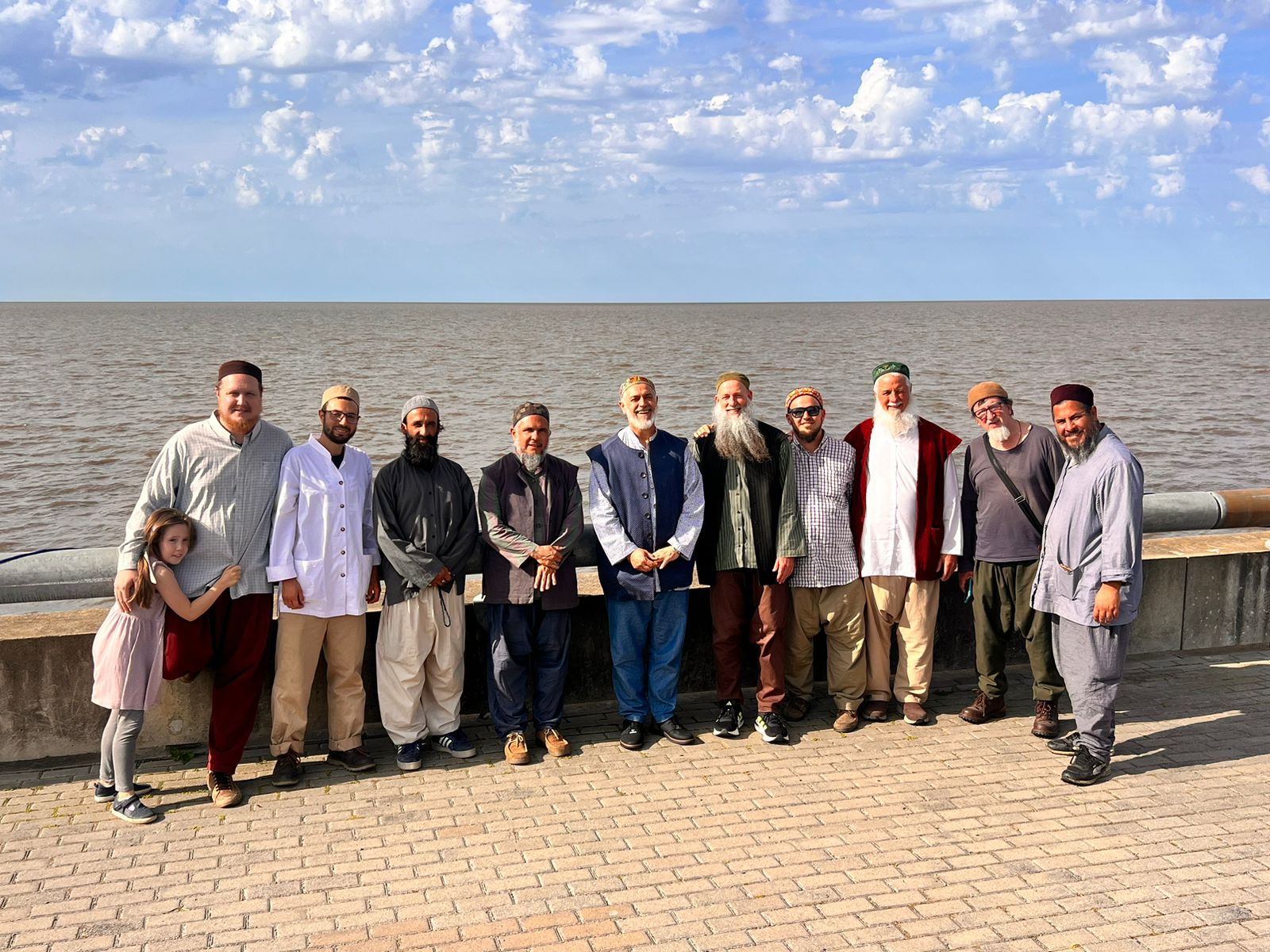


*OPEN YOUR EYES TO ATTAIN HAPPINESS*
Mawlana Sheikh Muhammad Adil ar-Rabbani
17 October 2025/ 25 Rabih Al-Akhir 1447 Buenos Aires Dergah, Argentina
As-Salāmu ‘Alaykum wa RaḥmatuLlāhi wa Barakātuh.
A‘ūdhu BiLlāhi Minash-shayṭāni r-rajīm. BismiLlāhi r-Raḥmāni r-Raḥīm. Wa ṣ-Salātu wa s-Salāmu ‘alá Rasūlinā Muḥammadin Sayyidi l-Awwalīna wa l-Akhirīn. Madad yā RasūlAllāh, Madad yā Sādāti Aṣḥābi RasūliLlāh, Madad yā Mashāyikhinā, Dastūr Mawlana Sheikh Abdullāh al-Fā’iz ad-Dāghistāni, Sheikh Muḥammad Nāẓim al- Ḥaqqānī. Madad.
Ṭarīqatunā aṣ-Suḥbah wa l-Khayru fi l-Jam‘iyyah.
We are thanking Allāh ﷻ again, every minute, every second for His ﷻ favor to be with believers, mu’min, mu’mināt, in shā’a Llāh. We are in this day of Jum’ah, a special day for Prophet ṣallá Llāhu ‘alayhi wa-sallam and his ﷺ nation. Because Allāh ‘Azza wa-Jalla gave the best thing for Prophet ﷺ, so the best day of the week, Friday. Everything happened on this day: ‘Adam alayhi s-salām was created on this day and also Qiyamah will be on this day. There is also one hour in this day, if you ask for du’ā’ and pray, if it coincides with this hour, Allāh ﷻ accepts it and gives you what ask. There are many favors of this day. Making salawāt, prayers and gives charity on this day is more acceptable and more rewarded.
And, of course, Allāh ‘Azza wa-Jalla has appointed a time for Jum’ah prayer. Jum’ah prayer must be, of course, with Jama’ah (congregation). The believer, mu’min, Muslim must perform this prayer. Of course, there is some condition for Shafi’i: they must be 40 people. For Hanafi: 3 people with one imām. Three jama’ah and one imām will be enough. Whoever can find this, he must pray it. If he cannot, there is an excuse for him. He prays Fard of Dhuhr. So if he has this condition, if he couldn’t find the Jama’ah to pray Jumu’ah, he must pray Dhuhr. In this country, it is difficult. But in Muslim country, he must go. If he has an excuse of illness or can’t go physically it happens. But if he is there and not going, it will be not good for him. In Jum’ah also, there is praying Jum’ah, Khutbah (sermon) and two rak’āt with imām. This becomes like praying Dhuhr. And during Khutbah people must be listening to the imām, not to speaking to each other also. Allāh ﷻ will be happy with you. And when Allāh ﷻ is happy with you, everything becomes easy.
Everything you do from worshipping, from charity, from good things is for you. This only is what you will take with you. There were people asking one big ‘awliyā’, a famous ‘awliyā’ in India, Mu’in al-Din Chishti, raḥmatu Llāhi ʿalayh (Allāh ﷻ have mercy upon him), ‘a’la Allāhu darajātuh (Allāh ﷻ raise his rank). He brought millions of people to Islām. So, a person asked him, “What is success?” He answered, “Success is to win the akhirah, the next life.” Not to be president, doctor, lawyer, a millionaire, an actress; that everybody knows you, everybody wishes to be like you. If you do not win your next life, it is not success. Success in these material things is only for this life, not forever. Even in life, even not going on for the end of life. Many people lose their success. And very few of them may succeed for the end of their lives.
For this, we, ṭarīqah and Awliyā’u Llāh are encouraging people to get as much as they can reward from Allāh ﷻ, the happiness of Allāh ﷻ. For this, we were saying about Jum’ah prayer and we explained how important it is. Why it is important for people to pray Jumu’ah. In Muslim countries also, they are not giving importance to Jum’ah. Many of them are not going. Many people think in Muslim countries they are a hundred percent going to Jum’ah or praying or doing this worship. Very, very few are those who go; maybe five percent or ten percent. So it is not given importance in Muslim countries. In other countries also, if Allāh ﷻ opens for you His ﷻ way to succeed in ākhirah, it will be for you, in shā’a Llāh.
And we must pray for this. In this Khutbah of Jum’ah, we read this ayah, ‘‘ادْعُونِي أَسْتَجِبْ لَكُمْ”
“Id’ūnī ‘Astajib lakum’’
“Call upon Me; I will respond to you.”(Qur’ān 40:60). Which means, pray for Me, I will accept it for you. We must pray all the time to stay on this way. Because life – they think life is long but it is not long, it is short. But even if short, people can ask, and pray for Allāh ﷻ to keep us strong on the right way, for you, for your children, for all people. You can pray. Allāh ﷻ is saying, “I will accept”, in shā’a Llāh. And Prophet ṣallá Llāhu ‘alayhi wa-sallam says in ḥadīth, we also read it in khuṭbah; Prophet ṣallá Llāhu ‘alayhi wa-sallam says, “سِلاحُ المُؤْمِنُ الدُّعَاء”
“The weapon of the believer is du’ā.”
Praying is the weapon for mu’min, for the believer. This is our weapon. We don’t have gun, we don’t have pistol. Our weapon is more effective: Du’ā’. It is du’ā’, praying. And Allāh ‘Azza wa-Jalla with this, our Prophet ﷺ said, opens for you, gives you rizq, health and everything. Giving you protection, giving you a good life and happiness; happiness and satisfaction which is very important these days. Because people don’t have happiness or satisfaction. They are looking for something. They can easily get this, but they are not seeing what is in front of their eyes. Looking at it. It is a huge thing in front of their eyes, but they are still searching where it is; looking for happiness, for satisfaction. Shayṭān is making people blind, not seeing. And still, your happiness is in front of your eyes, accept this, open your eyes, you will be happy. In shā’a Llāh.
May Allāh ﷻ accept our du’ā’. We are praying for you, for your country, for Allāh ﷻ to give hidāyah for all of them, to be happy with Islām, īmān, justice, in shā’a Llāh. May Allāh ﷻ send us Sayyidinā Al-Mahdī alayhi s-salām. He will make the whole world to be Muslim, in shā’a Llāh.
Wa min Allāhi t-tawfīq, al-Fātiḥah.

- 18 oktobre


*QUR’ĀN IS THE PROOF*
Mawlana Sheikh Muhammad Adil ar-Rabbani
18 October 2025/ 26 Rabih Al-Akhir 1447 Glew Dergah – Buenos Aires, Argentina
As-Salāmu ‘Alaykum wa RaḥmatuLlāhi wa Barakātuh.
A‘ūdhu BiLlāhi Minash-shayṭāni r-rajīm. BismiLlāhi r-Raḥmāni r-Raḥīm. Wa ṣ-Salātu wa s-Salāmu ‘alá Rasūlinā Muḥammadin Sayyidi l-Awwalīna wa l-Akhirīn. Madad yā RasūlAllāh, Madad yā Sādāti Aṣḥābi RasūliLlāh, Madad yā Mashāyikhinā, Dastūr Mawlana Sheikh Abdullāh al-Fā’iz ad-Dāghistāni, Sheikh Muḥammad Nāẓim al- Ḥaqqānī. Madad.
Ṭarīqatunā aṣ-Suḥbah wa l-Khayru fi l-Jam‘iyyah.
Our ṭarīqah is to be together, to give good advice and listen to advice. The Naqshbandi ṭarīqah is one of forty one ṭarīqah, way, which is coming from Prophet ṣallá Llāhu ʿalayhi wa sallam. One from Sayyidinā Abū Bakr as-Siddiq and the other from Sayyidinā ʿAlī. The ṣaḥābah of Prophet ṣallá Llāhu ‘alayhi wa-sallam are the highest people among the ummah. The highest ones are the companions of Prophet ṣallá Llāhu ‘alayhi wa-sallam, the ṣaḥābah.
Among human beings, the highest are Prophets. There are 124,000 prophets. And the highest one, who completed the religion, has the highest rank is our Prophet ṣallá Llāhu ‘alayhi wa-sallam, Sayyidinā Muḥammad ṣallá Llāhu ‘alayhi wa-sallam. Because his ﷺ name is mentioned with the name of Allāh ﷻ –
Lā ilāha illā Llāh Muḥammadun Rasūlu Llāh ṣallá Llāhu ‘alayhi wa-sallam.
So he ﷺ is the highest and we are lucky to be in his ﷺ nation. All Prophets are on the same way; no difference. You cannot differentiate, “This is one brought a different order from Allāh ﷻ.” No, maybe the order came, but still it didn’t finish; it was finished with Prophet ṣallá Llāhu ‘alayhi wa-sallam.
For this, all people following believers, following Islām, of course. And in Christianity or Judaism they are not saying that after Prophet ṣallá Llāhu ‘alayhi wa-sallam came any Prophet. Every Prophet that came was saying “After me is coming a Prophet” And the last Prophet before Prophet ṣallá Llāhu ‘alayhi wa-sallam was Sayyidinā Īsá alayhi s-salām. He, of course, was believing in ṭurāh and was saying, “Allāh ﷻ will send after me the last Prophet and his name Ahmad.” So, it is clear. People must know that the religion is one and must believe in this. Each prophet came accepted what Allāh ﷻ was giving and taught people the order of religion. Allāh ‘Azza wa-Jalla was giving them one by one [order], until Prophet ṣallá Llāhu ‘alayhi wa-sallam. In the last year of his ﷺ life, he ﷺ said in ḥajj, “Today I completed your religion.”
And many things our Prophet ﷺ said in the prophecy have happened. And now there are still many prophecies that did not happen. They will happen, in shā’a Llāh. Especially about Sayyidinā Īsá, alayhi s-salām. Allāh Azza wa Jalla mentioned in the Qur’ān his miracle.
The Qur’ān which is the real word of Allāh Azza wa Jalla. The only one left in religions. They have in other religions but they have changed them. Only the Qur’an Azimu sh-Sha’n is preserved as it is from Allāh ‘Azza wa-Jalla. And it is some likeness, like you give an example about something but the example is very far from it; just according to what we can say. Just as some crime happens and people look at it. Many times, you see in movie or so, a crime happens but people don’t know what happened or who did this, what exactly happened. So maybe many times, innocent people are put in jail or given death penalty. After that, nobody knows what happened. But Allāh Azza wa Jalla, no. He ﷻ said, “Everything Allāh ﷻ says is true.” And in the Qur’ān He ﷻ told us many things about this.
One of these things – before we continue – is in the time of Sayyidinā Mūsá alayhi s-salām. They killed one man and threw him in some place. He was suspecting that maybe these people killed him. They came asking Sayyidinā Mūsá alayhi s-salām, “Who killed this man? We must take revenge.” Because in Judaism, there is kisās, like revenge. If you kill one, you must kill one. If you cut his head or hand, you must cut the same. If you cut his ear, they must cut an ear. Teeth by teeth, they say. So, they came to him and Musa ‘alayhi s-salām spoke with Allāh ﷻ – he is Kalimu Llāh – they said, “Ask Allāh ‘Azza wa-Jalla what shall we do to know who killed this man.” Sayyidinā Musa asked and an order came, “Kill one cow and hit this man with something from the cow.” They asked, “O Musa alayhi s-salam, which cow?” He said, “A cow that mustn’t be so old.” After that, they were asking again, “Yes, we know, but which color must it be?” He said, “Its color must be yellow, a very nice yellow color.” Still asking, still asking. “It is mixed up for us how this cow must be.” And after that, the answer was coming, “It must be young. It must have a very nice, yellow color. It mustn’t have worked at all. It must be like this, like that.” And then they said, “Ok, ok, we understand. We will do this.” They went looking for this cow all around the whole country, only to find one. They asked for the price to kill it. Its owner was one poor, good man, a believer. Allāh ﷻ gave him an inspiration, “You must fill this cow’s leather with gold.” Of course, they have too much money, but they are stingy. But still, they paid it in full; maybe one ton or more than one ton of gold. They cut the cow, took its tongue and hit that man who was killed with its tongue. He woke up and said, “It is my nephew. He killed me for my money.”
Allāh ﷻ is saying, “Allāh ﷻ gives examples in the Qur’ān for people to believe.”And about Sayyidina Isa – Allāh ‘Azza wa-Jalla is saying [in the Qur’an], Sayyidatina Maryam was all the time worshipping, praying. Allāh ﷻ sent her an angel and she became pregnant without marriage, without anyone touching her. Allāh ﷻ is the one who creates everything. He ﷻ gave an example for the creation of Sayyidinā Īsá. He is like Sayyidinā Ādam ʿalayhi s-salām. He ﷻ created him from earth, mud, and said “Be” and he was. After this, what happened? The end of the story of Sayyidina Īsá, some traitor – everybody knows the traitor – Allāh ﷻ says in the Qur’ān, we made this one in the appearance of Sayyidinā Isa. They caught him and killed him putting him on this cross to death. In the Qur’an, Allāh ‘Azza wa-Jalla tells us,
“وَمَا قَتَلُوهُ وَمَا صَلَبُوهُ وَلَٰكِن شُبِّهَ لَهُمْ”
“Wa Mā Qatalūhu Wa Mā Şalabūhu Wa Lakin Shubbiha Lahum”
“But they killed him not, nor crucified him, but the resemblance of ‘Isa (Jesus) was put over another man (and they killed that man)”. (Qur’ān 04:157).
They didn’t kill him; they didn’t crucify him or put him on a cross. It only looked like that. They thought they’ve done this. And Allāh ﷻ said
“بَل رَّفَعَهُ اللَّهُ إِلَيْهِ”
“Bal Rafa`ahu Allāhu ‘Ilayhi’’
“But Allāh raised him [Isa (Jesus)] up (with his body and soul) unto Himself (and he is in the heavens)”. (Qur’ān 04:158).
Allāh ﷻ took him, raised him from dunyā to Heaven, the second Heaven. There are 7 Heavens. He is in the second heaven and he will come back to show all human beings who were cheated by these people and to let them know that he is the real Isa ‘alayhi s-salām. Not as they said: son of god. He who has very little bit of thinking cannot believe in this. Allāh Azza wa Jalla doesn’t have shape. He ﷻ doesn’t have place. All this place, universe, light, sound, day, centuries, history, all of this is created by Allāh Azza wa Jalla.
So, you cannot say somebody is His ﷻ son; it is impossible for anyone who has good thinking to believe in this. And everybody in every religion – because most of them are destroyed by those who claim are religious people. They are destroyed by these people for money, for benefit. And they make millions and billions of people to be out of the way of Allāh ﷻ.
For this, Allāh ‘Azza wa-Jalla will – Maybe somebody is saying, “How can a priest or rabbi or other do this!” There are many examples for this. You know this one rabbi, he was in time of Sayyidina Yusha ‘alayhi s-salām. He knows Ismu Llāh al-A’ẓam, the Great Name of Allāh ﷻ. And if this one who knows it spells it, he can do anything. Even this one was cheated, “We will give you a beautiful woman to marry.” And he betrayed Sayyidina Yusha ‘alayhi s-salām. So no, they are not innocent. They are with shayṭān. They changed many things, maybe 95 or 99 percent of the holy books.
Al-ḥamdu liLlāh, the biggest miracle of Prophet ṣallá Llāhu ‘alayhi wa-sallam is Qur’ān Aẓīmu sh-Shā’n. It is in our hand, coming from heaven; not changing at all. Every good thing, every knowledge is inside it. For this, when Sayyidina Isa comes – in shā’a Llāh we are waiting. Everybody is waiting for the one to come; believers, non-believers, everybody. So, it is from Allāh ‘Azza wa-Jalla to put in the hearts of people that somebody will come and give happiness, justice for this world after all this corruption or after all this oppression. In shā’a Llāh, we are waiting. The Time is not so far, I think. In shā’a Llāh, Sayyidinā Mahdī alayhi s-salām will come. Then Sayyidinā Īsá ‘alayhi ṣ-ṣalām will come from heaven, and clean and take all this dirt from the world, in shā’a Llāh.
May Allāh ﷻ make him come soon and we will be with him, in shā’a Llāh. In shā’a Llāh, he will follow the religion of Prophet ṣallá Llāhu ‘alayhi wa-sallam. His wish is to be one of the ummah of Sayyidinā Muḥammad ﷺ. It is a very big honor. We are, al-ḥamdu liLlāh, from his ﷺ ummah. We must be thankful for Allāh ﷻ for this.
May Allāh ﷻ bless you.
Wa min Allah at-Tawfiq. Al-Fatiha.
19 octobre
20 October 2025/ 28 Rabih Al-Akhir 1447
Dergah Olavarría, Argentina
ADVICE FOR HAPPINESS IN BOTH LIVES*
Mawlana Sheikh Muhammad Adil ar-Rabbani
As-Salāmu ‘Alaykum wa RaḥmatuLlāhi wa Barakātuh.
A‘ūdhu BiLlāhi Minash-shayṭāni r-rajīm. BismiLlāhi r-Raḥmāni r-Raḥīm. Wa ṣ-Salātu wa s-Salāmu ‘alá Rasūlinā Muḥammadin Sayyidi l-Awwalīna wa l-Akhirīn. Madad yā RasūlAllāh, Madad yā Sādāti Aṣḥābi RasūliLlāh, Madad yā Mashāyikhinā, Dastūr Mawlana Sheikh Abdullāh al-Fā’iz ad-Dāghistāni, Sheikh Muḥammad Nāẓim al- Ḥaqqānī. Madad.
Ṭarīqatunā aṣ-Suḥbah wa l-Khayru fi l-Jam‘iyyah.
Bismi Llāhi r-Raḥmāni r-Raḥīm:
‘‘إِنَّمَا يَعْمُرُ مَسَاجِدَ اللَّهِ مَنْ آمَنَ بِاللَّهِ وَالْيَوْمِ الْآخِرِ’’
‘’Innamā Ya`muru Masājida Allāhi Man ‘Āmana Billāhi Wa Al-Yawmi Al-‘Ākhiri”
“The mosques of Allah are only to be maintained by those who believe in Allah and the Last Day.”(Qur’ān 09:18). Ṣadaqa Llāhu l-‘Aẓīm.
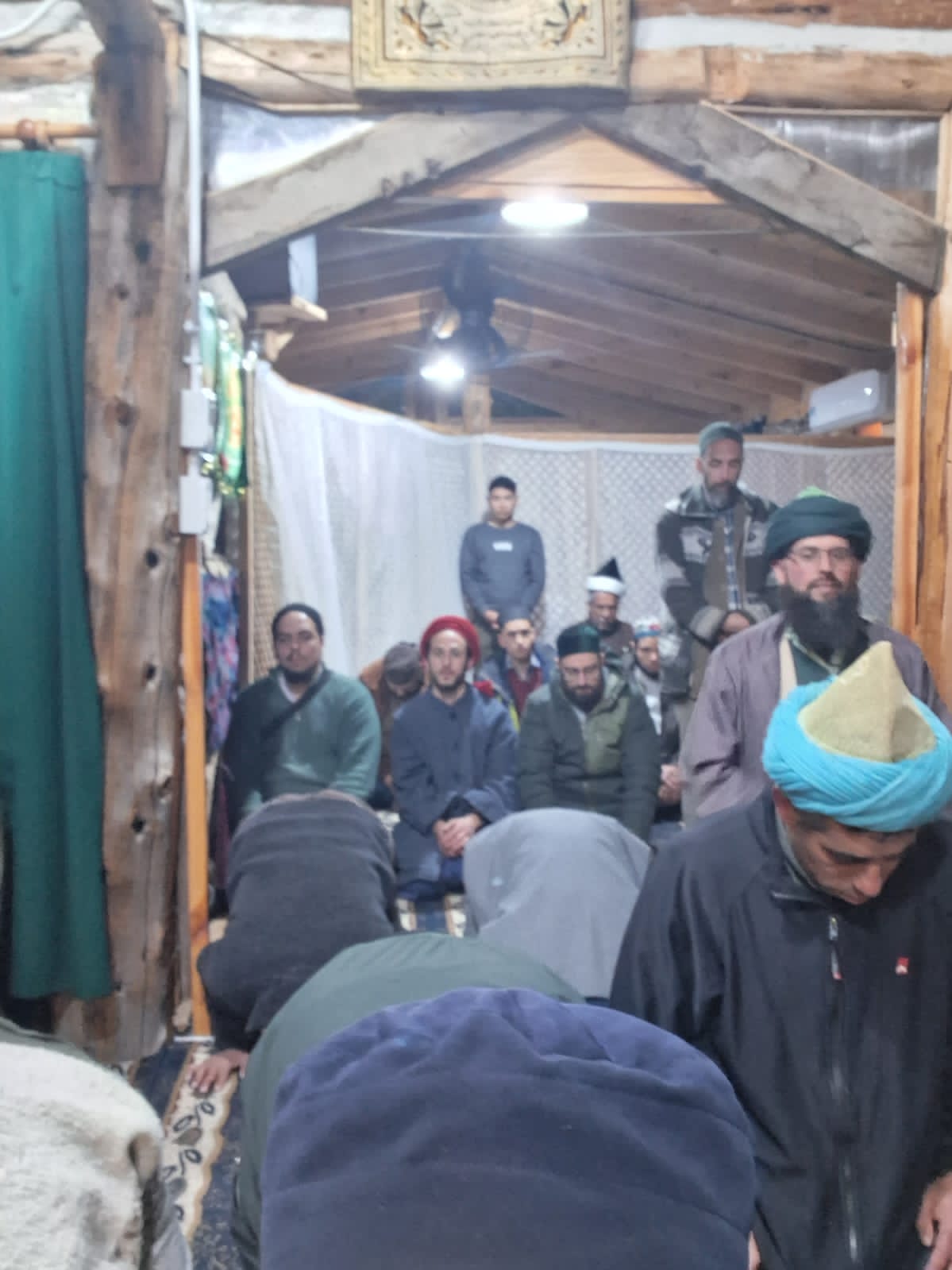
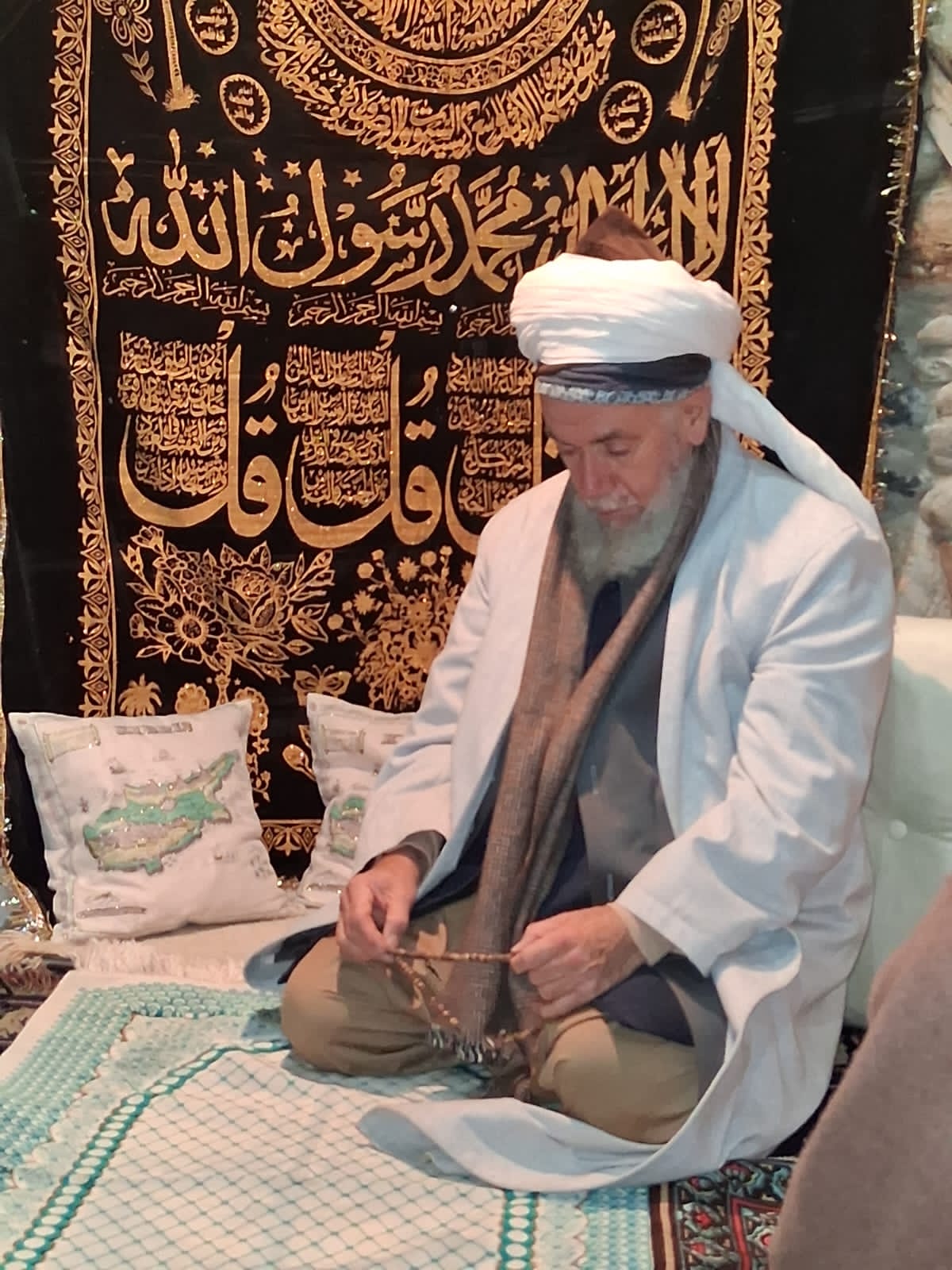
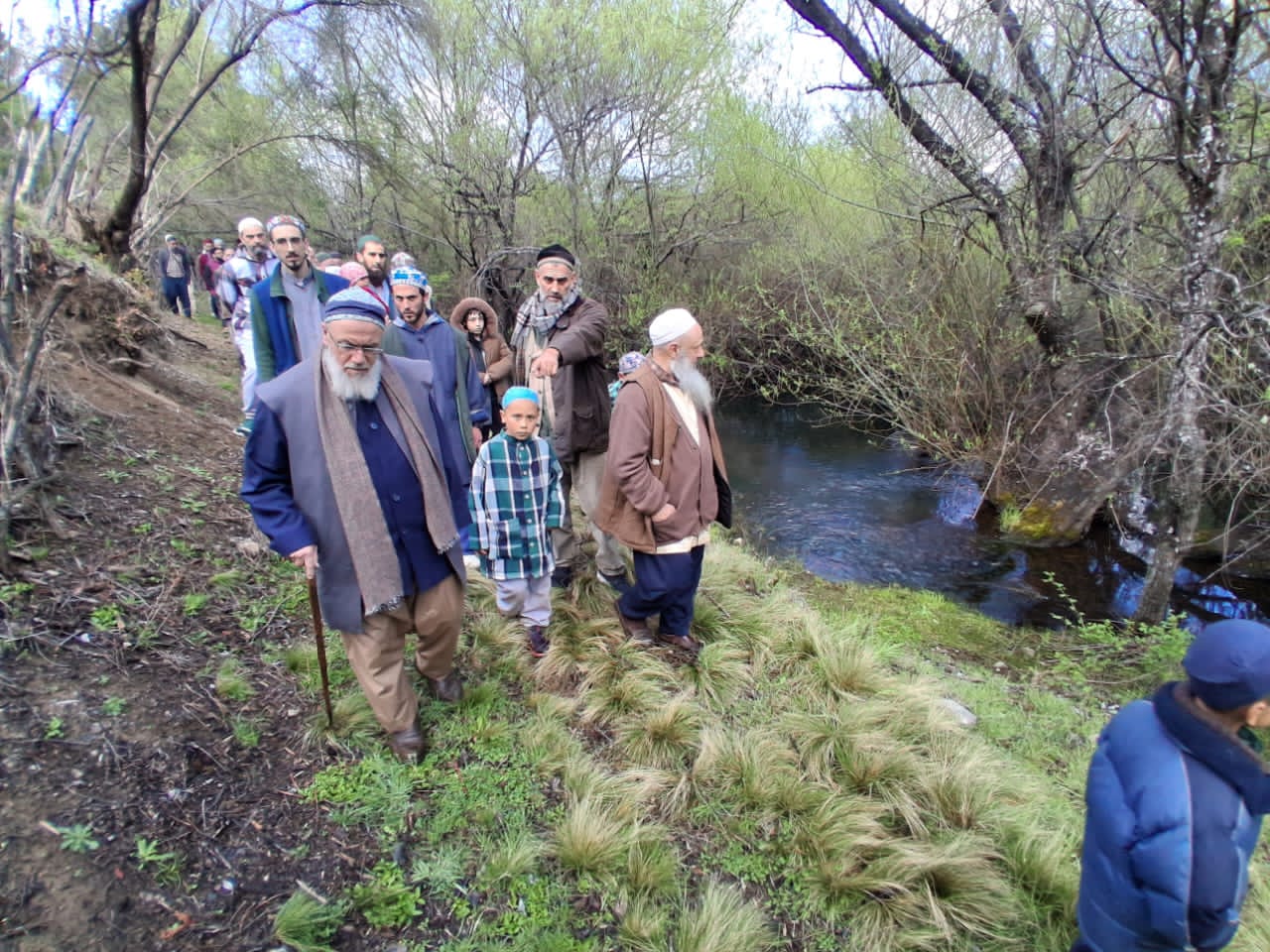
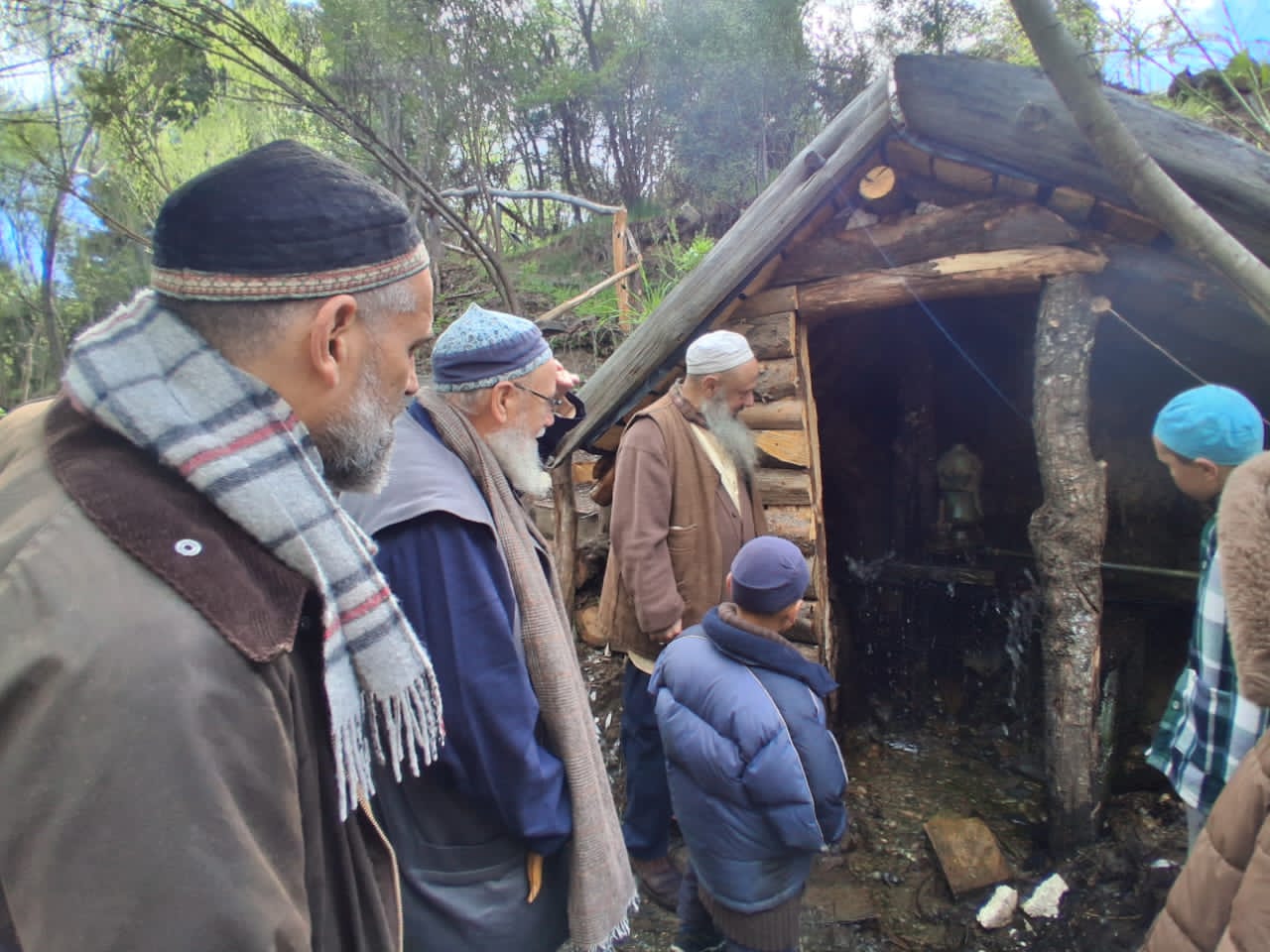
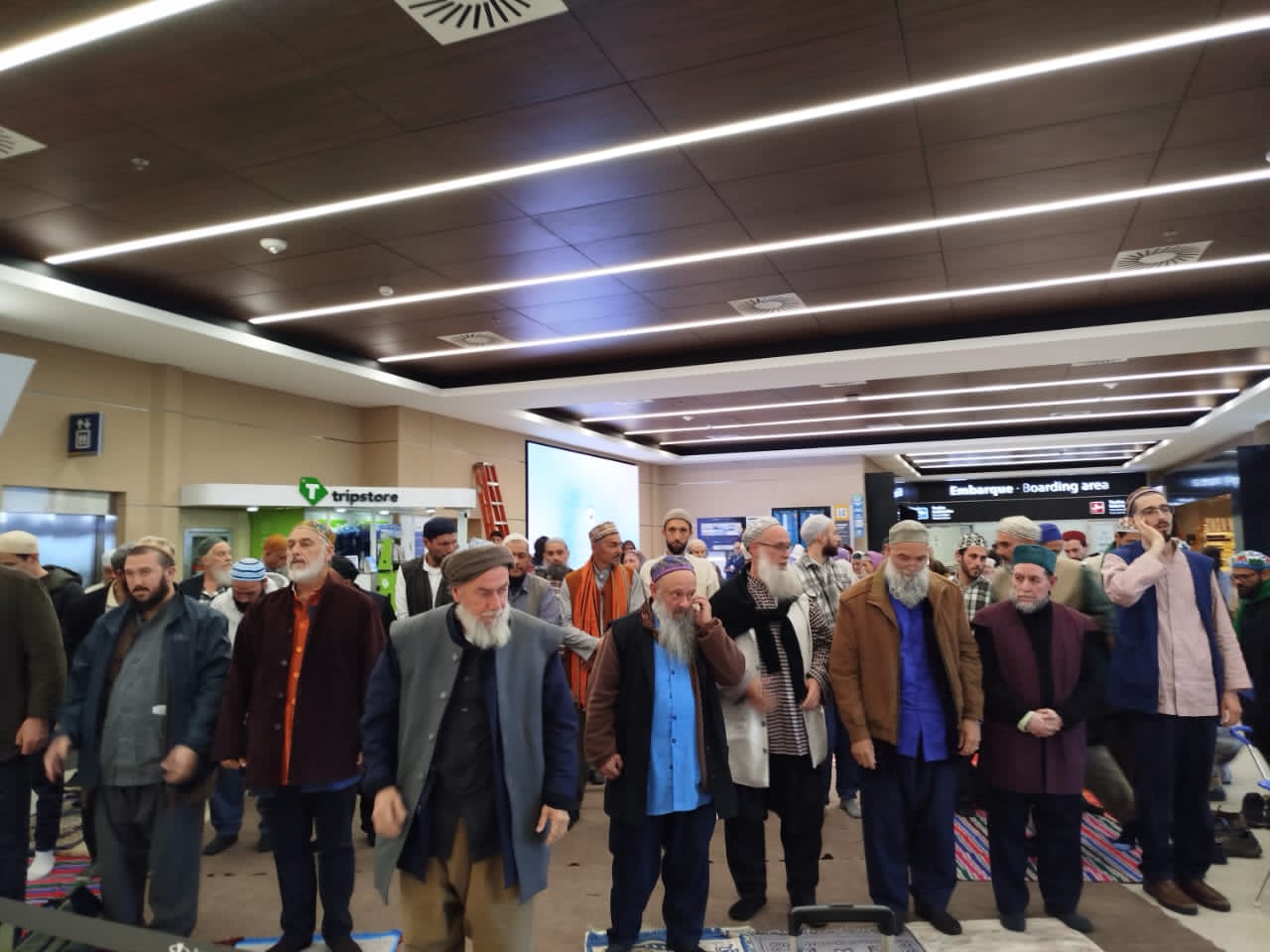
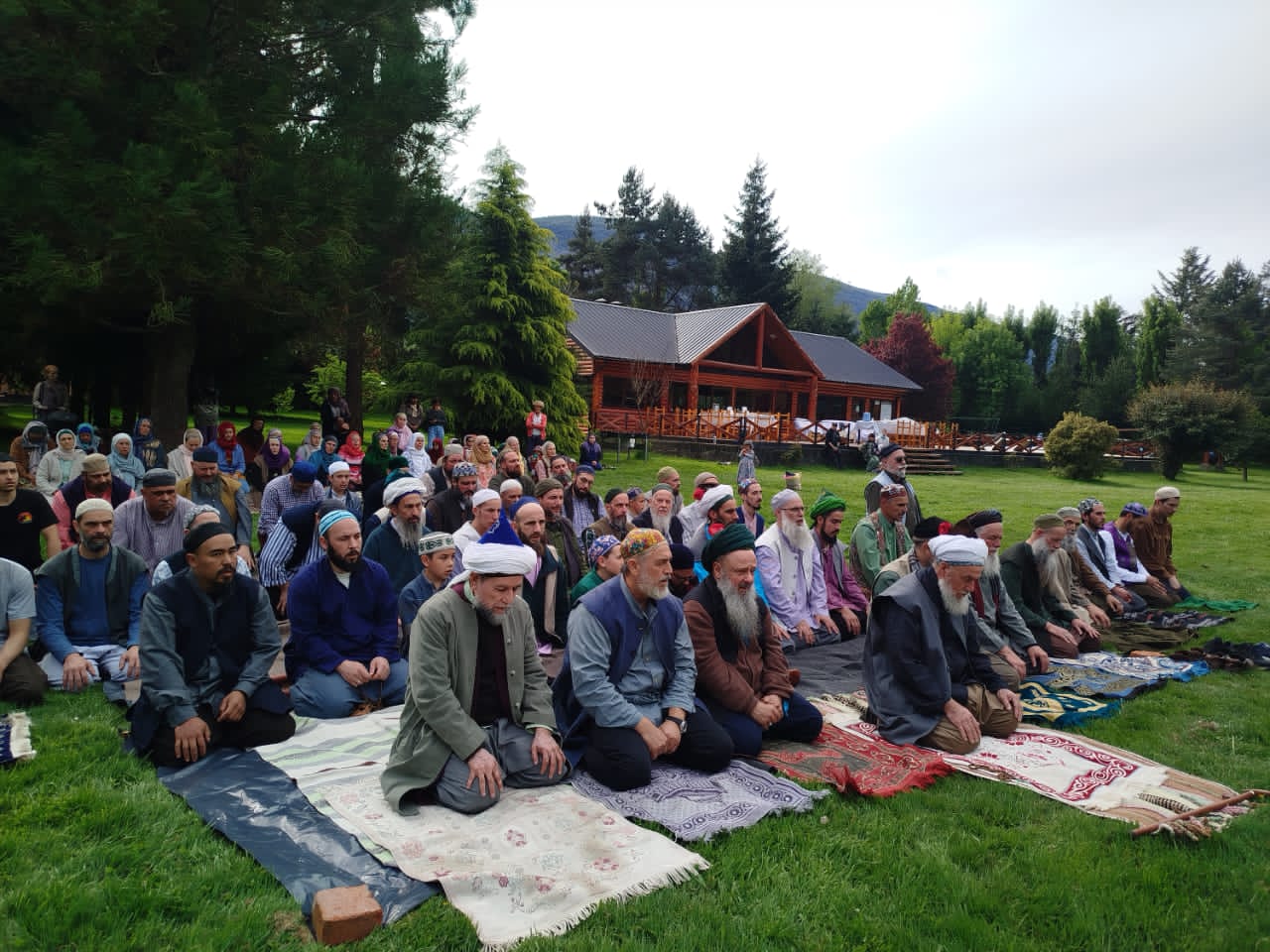
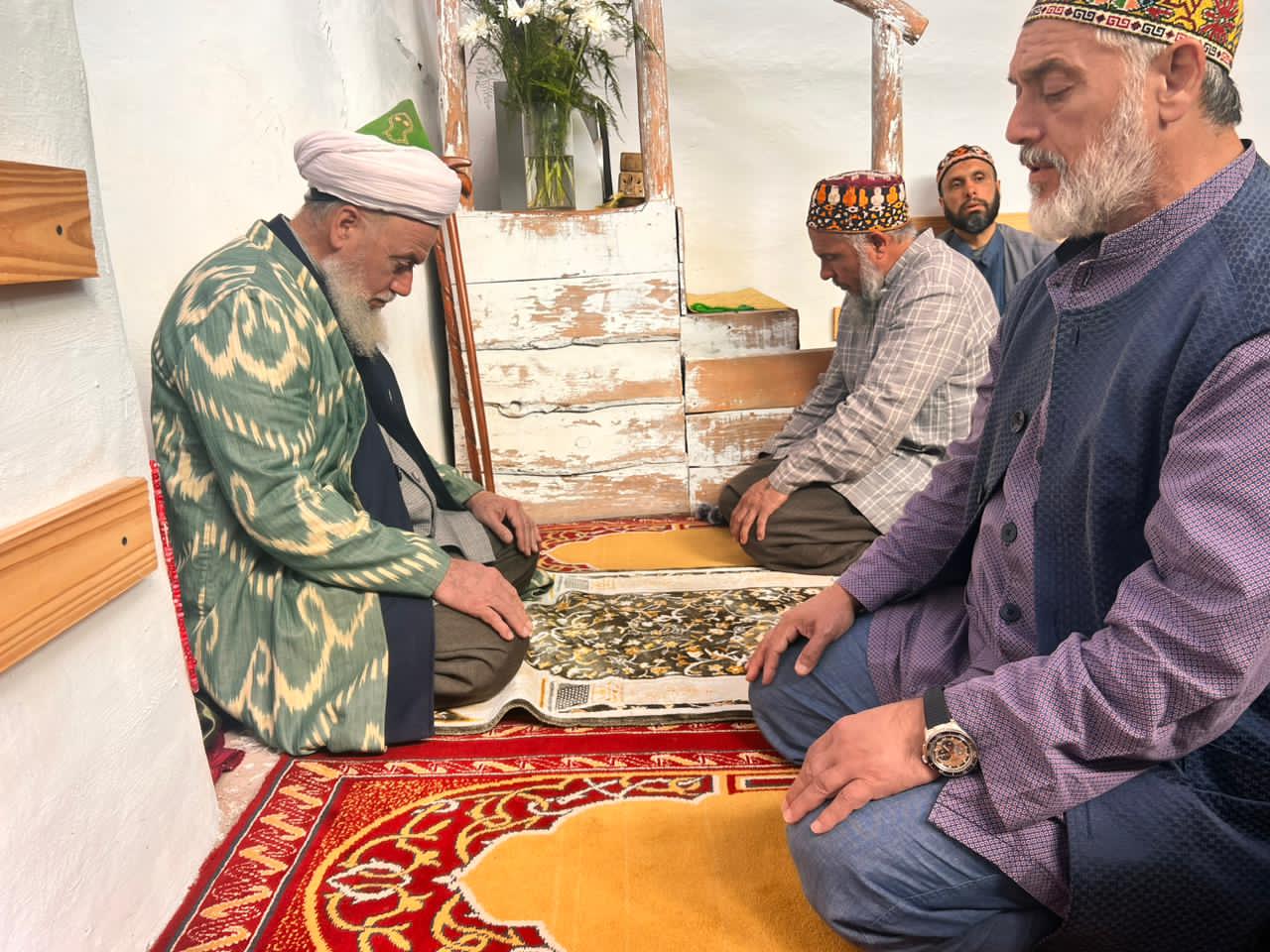
Allāh ‘Azza wa-Jalla says in the Qur’an, those who believe in Allāh ﷻ and the last day, the next life, make this house for Allāh ﷻ, it means Baytu Llah. The Jami, Masjid is the house of Allāh ﷻ. What does it mean? It means everybody can come, enter, do ‘ibadah and take reward, in shā’a Llāh. AlhamduliLlah we are traveling from place to place. Masha’Allah, they make nice places for Masjid and Dergah.
In shā’a Llāh, all of you will be surprised on the Day of Resurrection, how Allāh ‘Azza wa-Jalla is giving you reward for what you had done in this life. Some people make big things; some people make small things. Even if they do good things without knowing it, Allāh ‘Azza wa-Jalla knows. Allāh ‘Azza wa-Jalla says in the Qur’an,
“فَمَنْ يَعْمَلْ مِثْقَالَ ذَرَّةٍ خَيْرًا يَرَهُ”
(7)
وَمَنْ يَعْمَلْ مِثْقَالَ ذَرَّةٍ شَرًّا يَرَهُ” (8)”
‘‘Faman Ya’mal Mithqāla Dharratin Khayrāan Yarah (7).”
“Wa Man Ya’mal Mithqāla Dharratin Sharrāan Yarah “
(8)
“So whoever does an atom’s weight of good will see it (7)”
“And whoever does an atom’s weight of evil will see it.”(8).(Qur’ān 99:07-08).
Which means who does a very small good thing, as small as dust, Allāh ﷻ will reward him for that. And who does a bad thing, Allāh ﷻ will forgive him if he asks for forgiveness. There is a good thing in this also. Who does a bad thing, if he repents and asks for forgiveness, Allāh ﷻ forgives him. And He ﷻ turns this sin into reward for him.
For this, some people will be surprised, “We didn’t know of all these good things. From where is this reward coming? Like a mountain coming to us. From where is this? We weren’t good people all the time. We were doing bad things, from where is this coming!” You were doing bad things, but when you asked for forgiveness, Allāh ﷻ changed it to reward. Allāh ﷻ is Generous. He ﷻ is not afraid for it finish. Creatures don’t give too much. Some are generous but they can also be afraid that maybe they will finish. But Allāh’s ﷻ treasures are endless; no limit. He ﷻ is always giving people. One cannot imagine how much He ﷻ will give on that day.
What must you do with this? You must believe in Allāh ‘Azza wa-Jalla and His ﷻ generosity. We are poor people and we are doing as much as we can but we ask Allāh ﷻ to help us in the life here and the other life also. So we must be grateful to Allāh ‘Azza wa-Jalla. He ﷻ likes people who thank Him ﷻ not those who complain. Now people of this time are all the time complaining about everything. Not happy with anything. It is difficult to make them happy. Who made this? Shayṭān. He made people unhappy and not satisfied. But Allāh ‘Azza wa-Jalla says, “If you are thankful, I will multiply what you have.” If you thank Allāh ﷻ, Allāh ﷻ will make all what you have from goodness to continue. If you have a good village, if you have a good land, anything; you must be thankful for it. And He ﷻ will make it continue for you. If not, if you are not thankful only complaining, it will be cut.
This is our advice for people who want happiness in both lives; here and hereafter. Here it is important. But the most important is the next life. The other one is forever but what’s important is to prepare here for that life. Some people, people of old times, thought they are clever. The ancient people in Egypt or other places knew there was another life and they prepared for it. But they weren’t so clever because they didn’t prepare good deeds for ākhirah. They just put gold or instruments in their graves thinking, “When we go to the next life we can use it.” And this in the other life is like garbage; it’s nothing. Life in paradise: there are houses from gold, from jewels. For this, you can only take this with good deeds not by taking with you money and gold, putting it in the grave.
May Allāh ﷻ give people good understanding. Those who understand this will be happy and not worried about anything. And people will be very happy with them, in shā’a Llāh.
May Allāh ﷻ give good understanding to this country, other countries, and everywhere. They are harming people for something that will be a punishment for them in the next life. Everybody must know that Allāh ‘Azza wa-Jalla will ask about our deeds. Allāh ﷻ is happy with people who help each other, not harm each other.
May Allāh ﷻ make us from those who help each other.
Wa min Allah at-Tawfiq. Al-Fatiha.
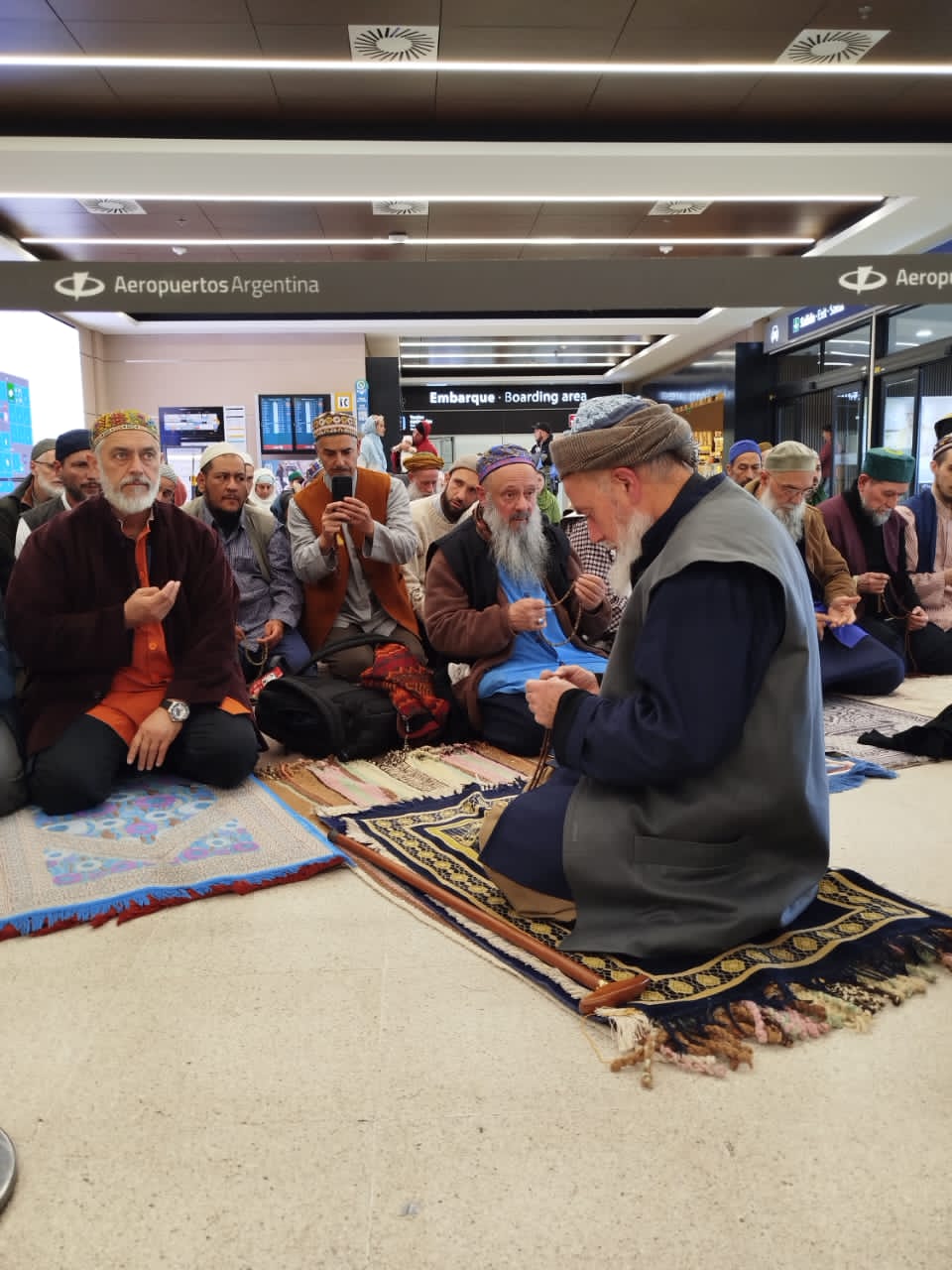
- Mallin Ahogado, Patagonia, Argentina.


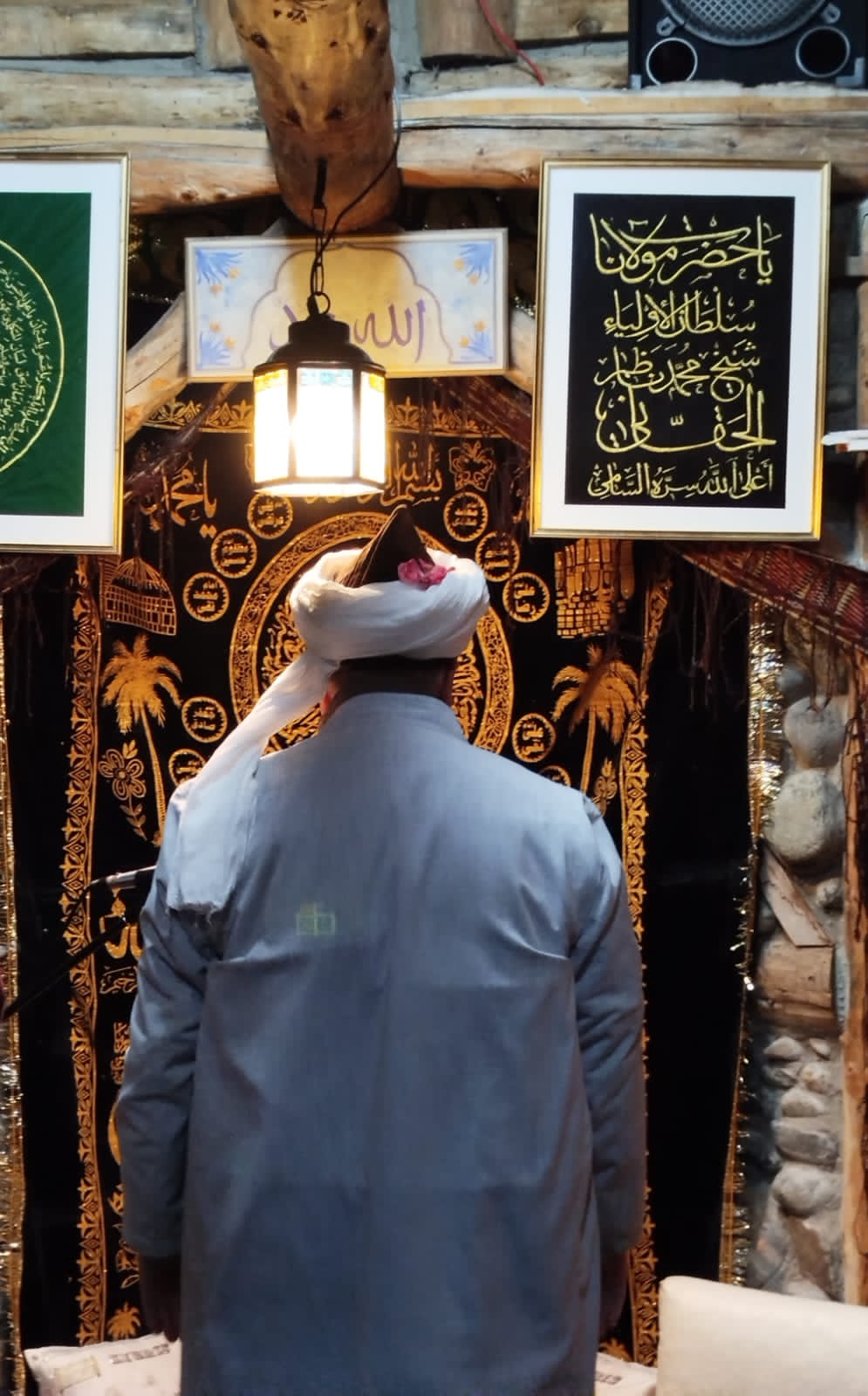


*WITH ENVY, HAPPINESS DISAPPEARED*
Mawlana Sheikh Muhammad Adil ar-Rabbani
21 October 2025/ 29 Rabih Al-Akhir 1447
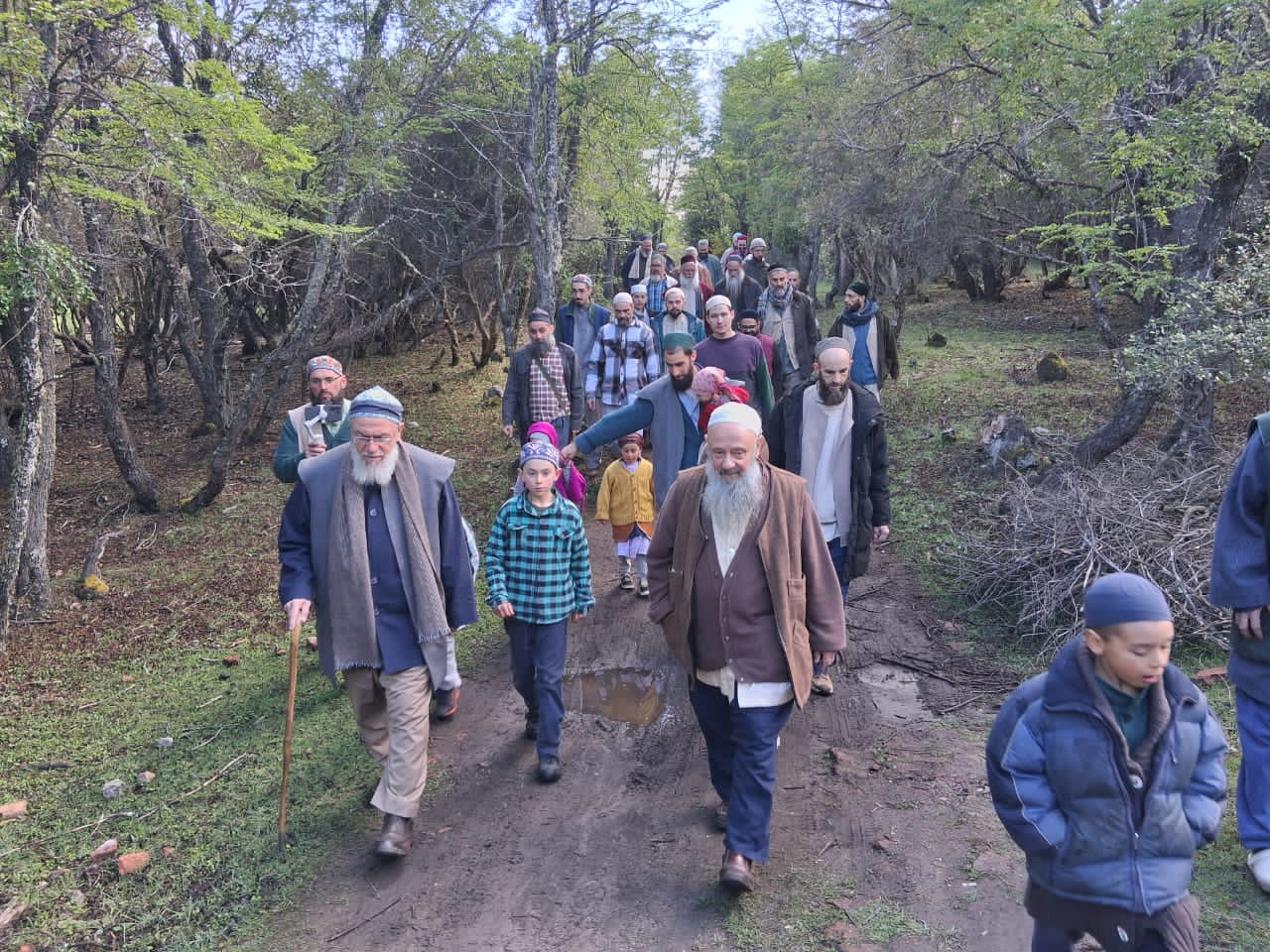
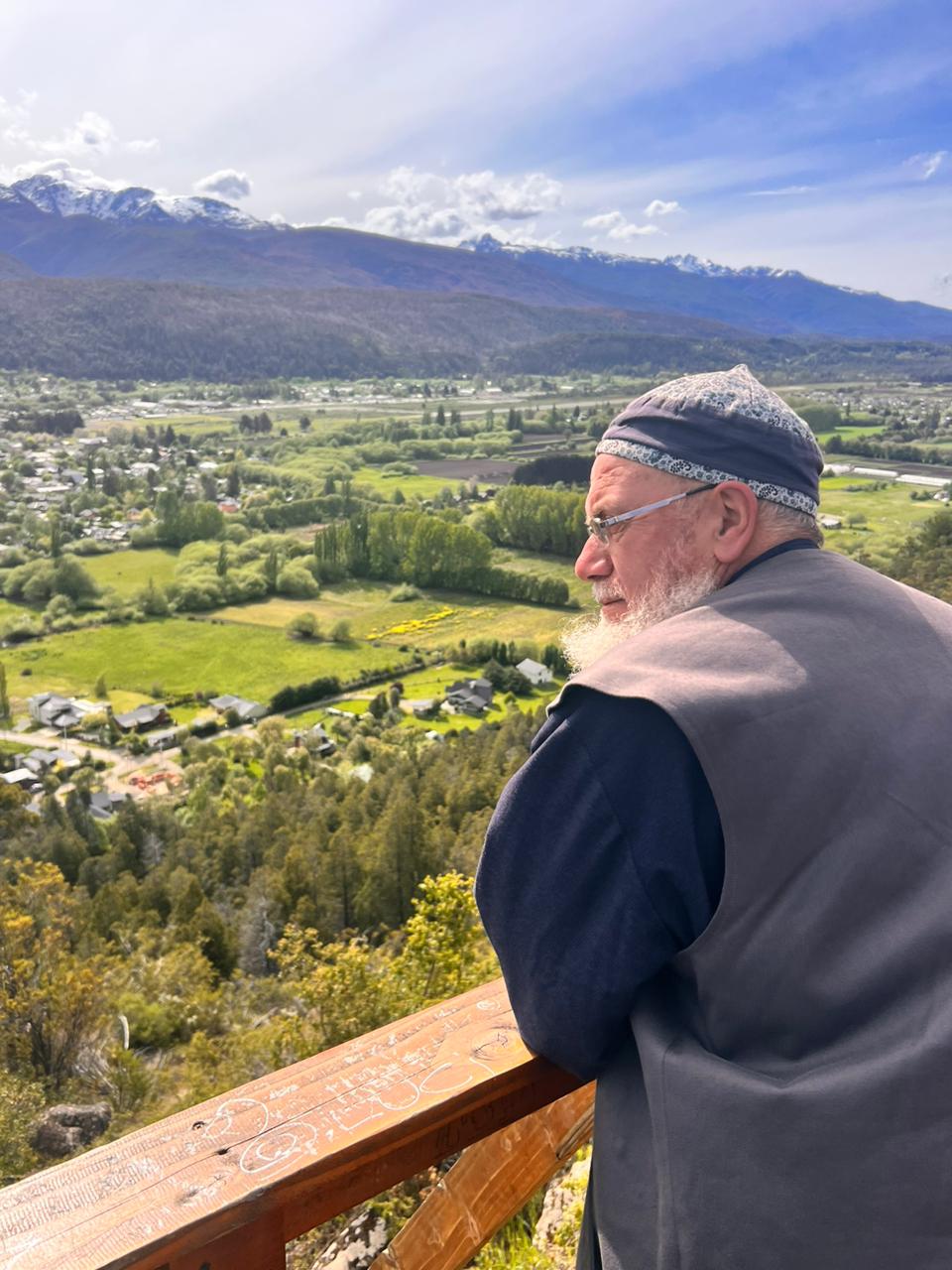
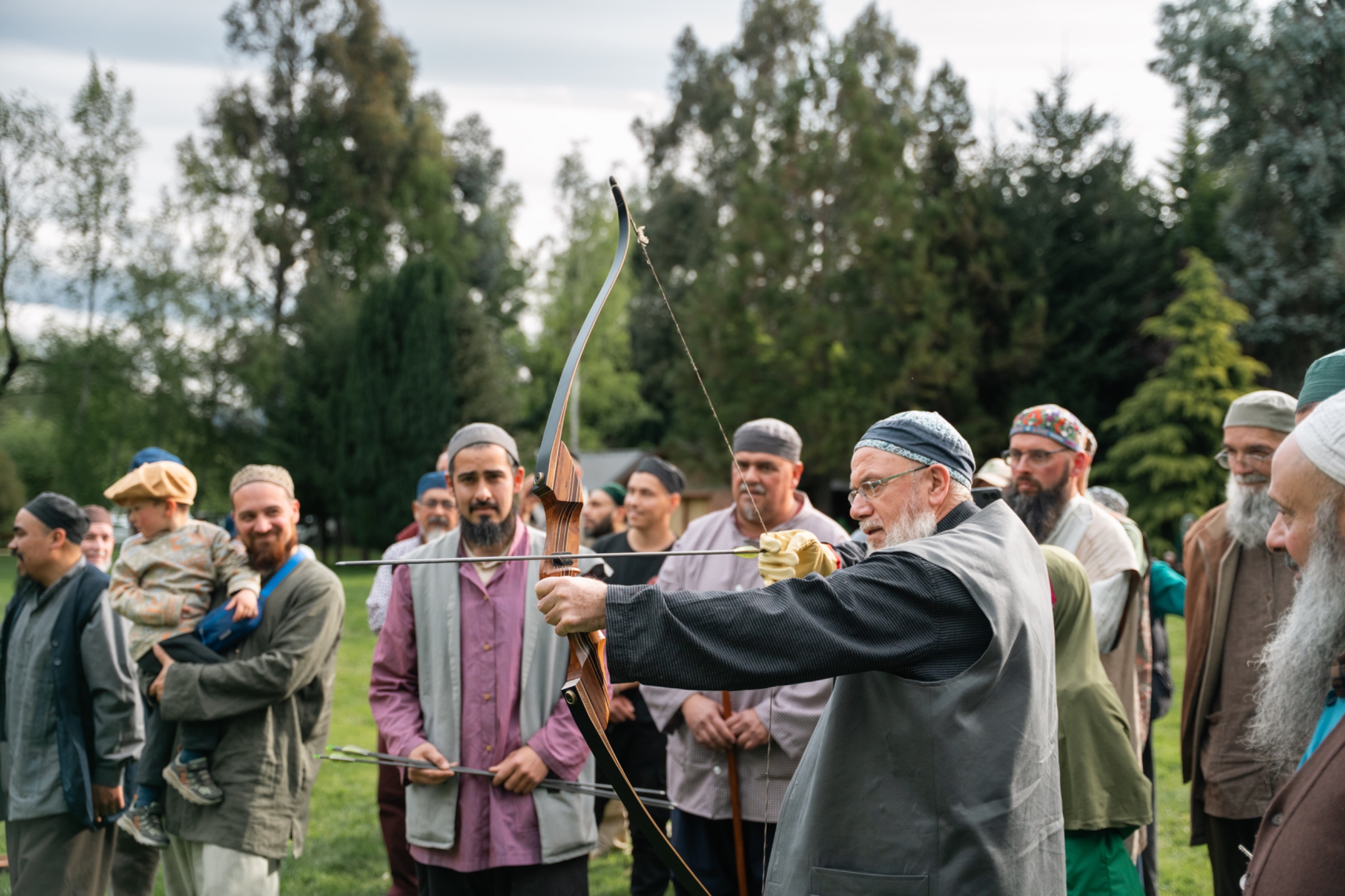
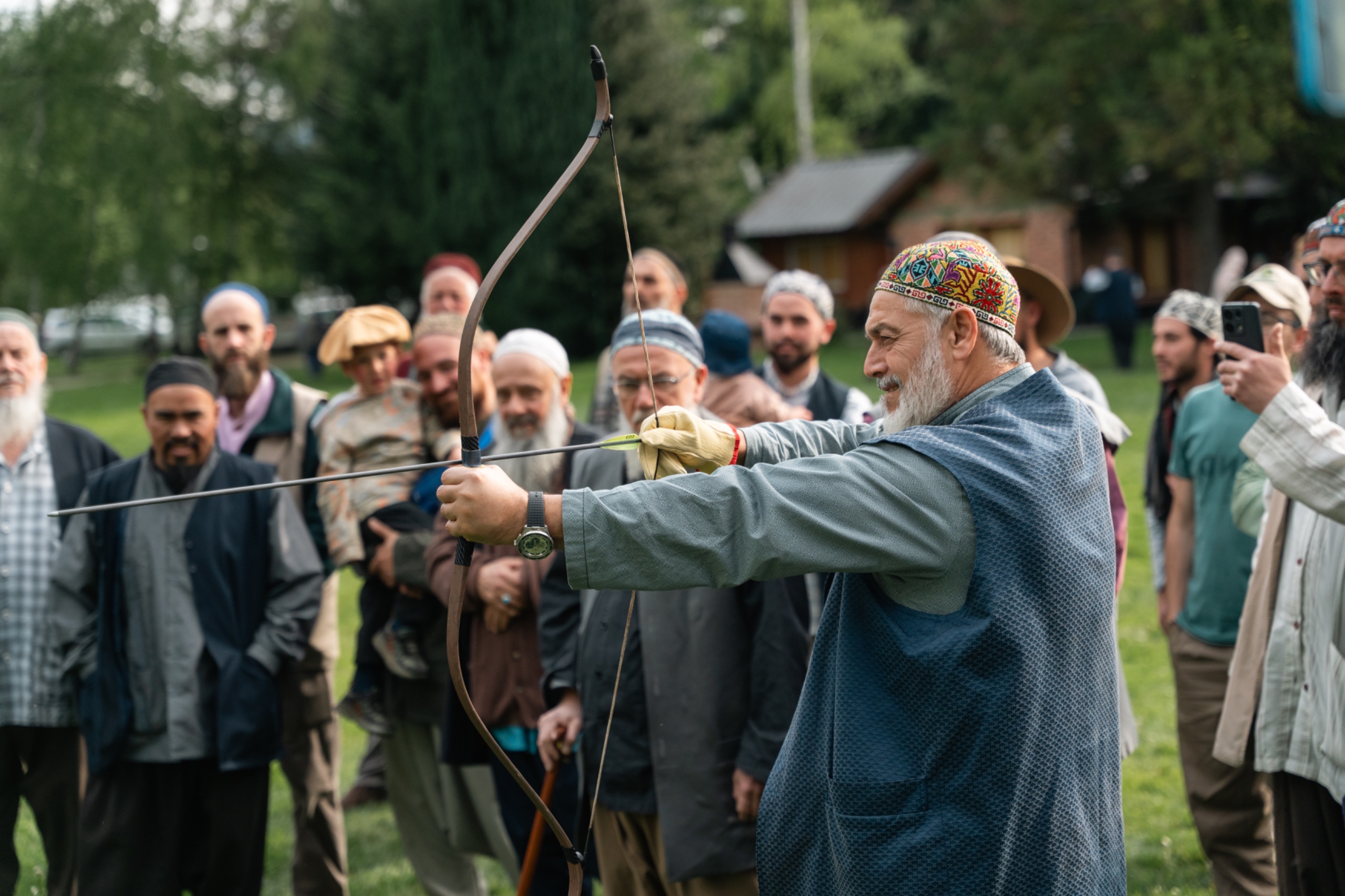
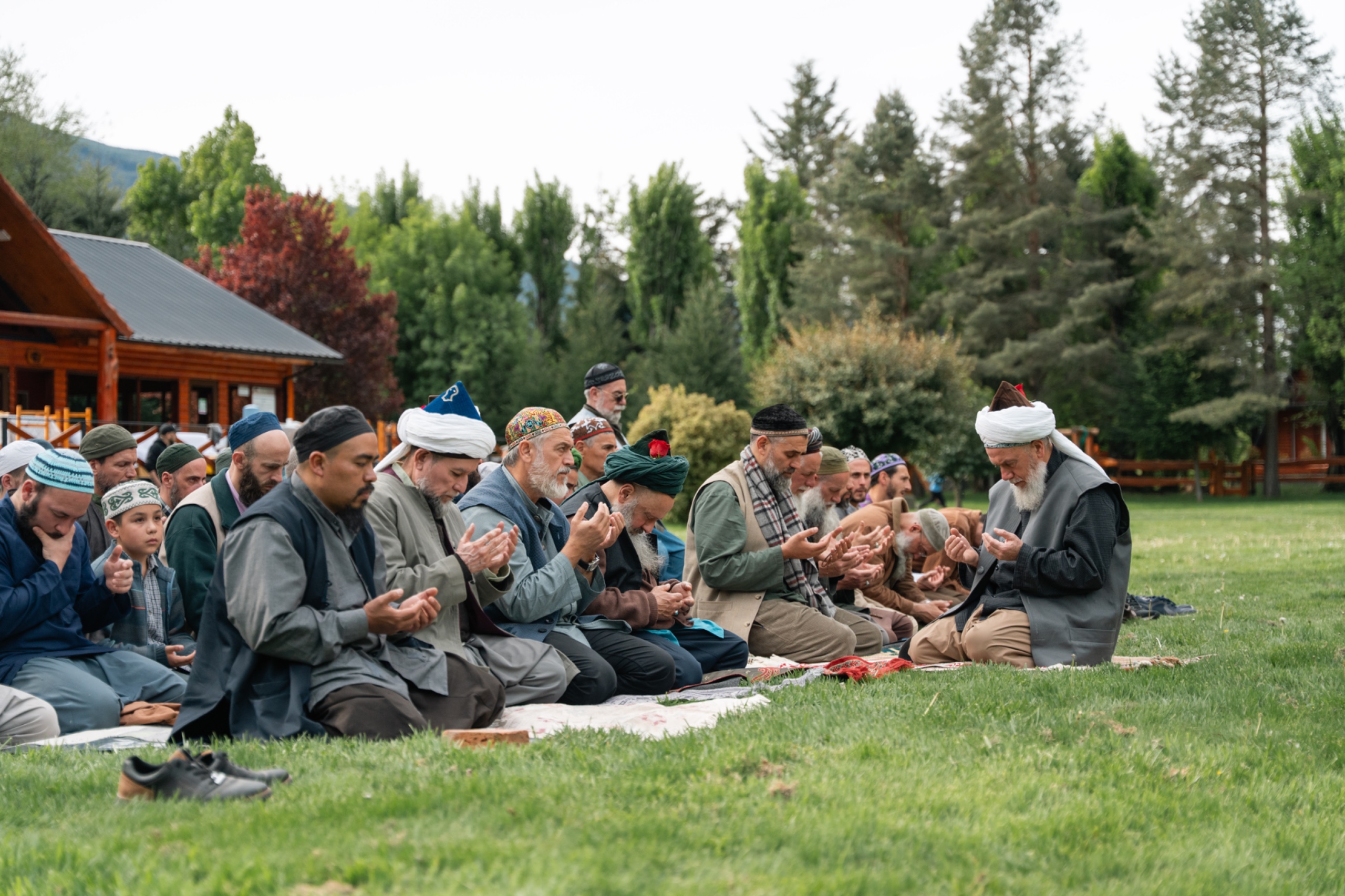
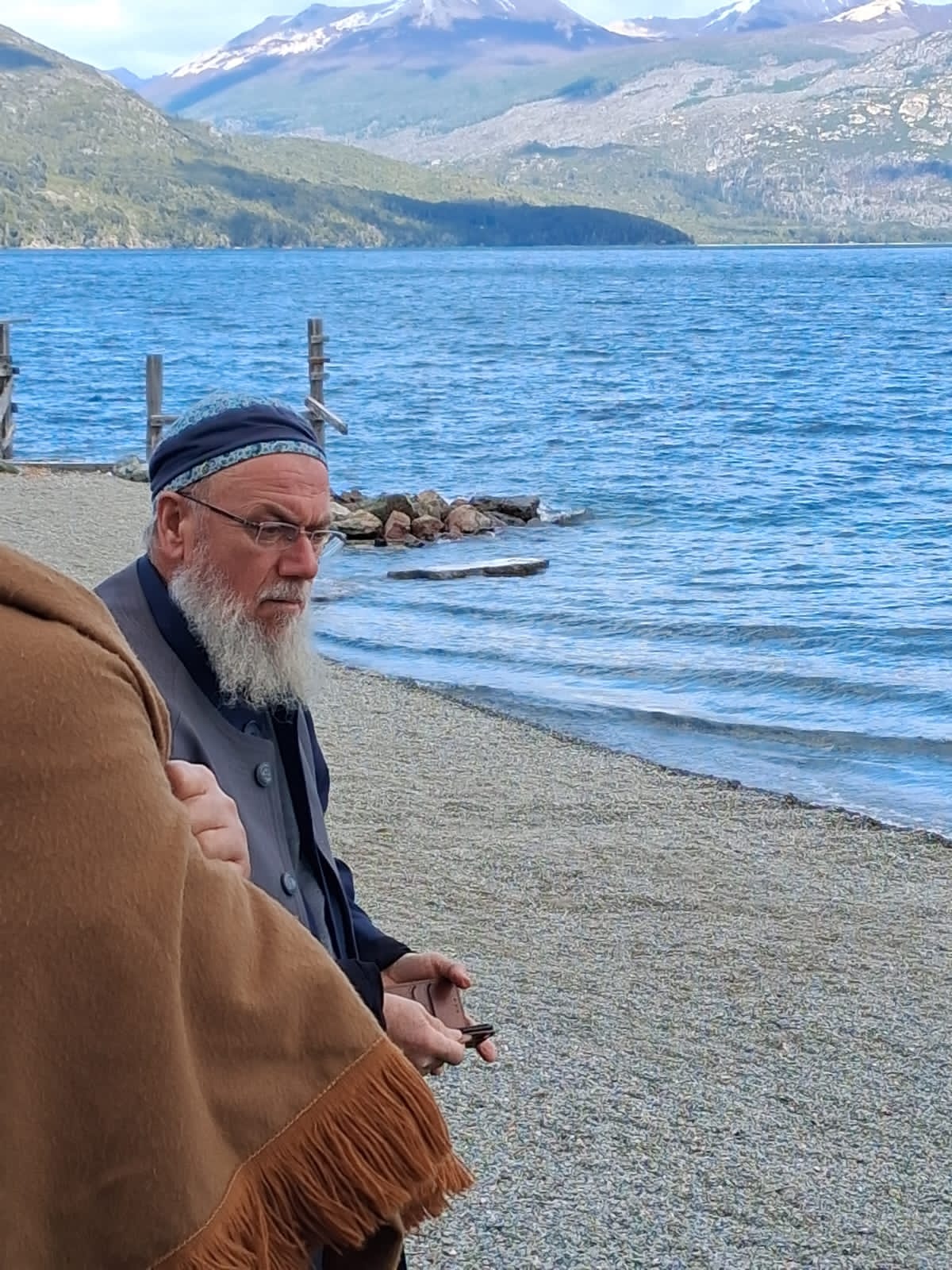
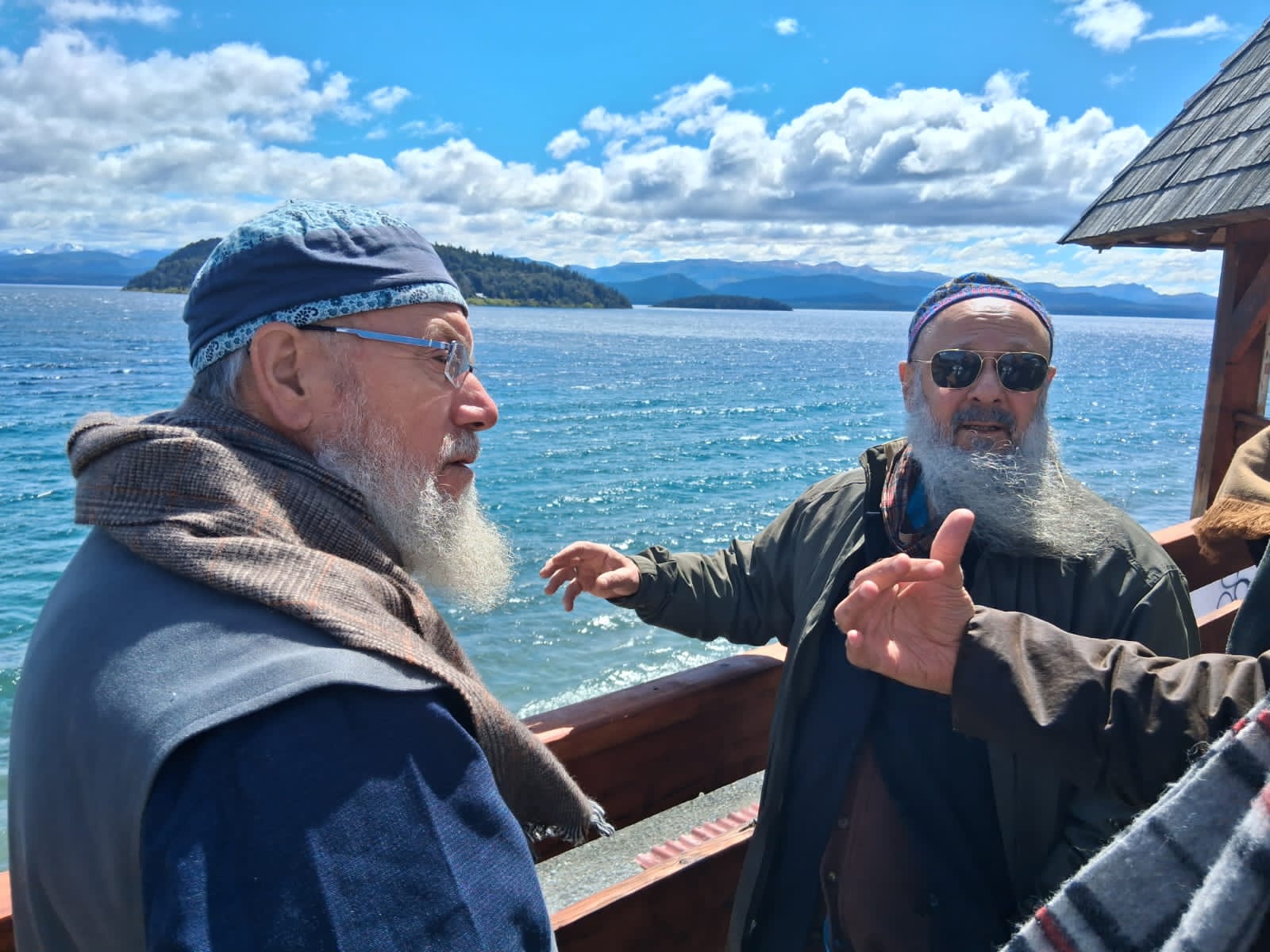
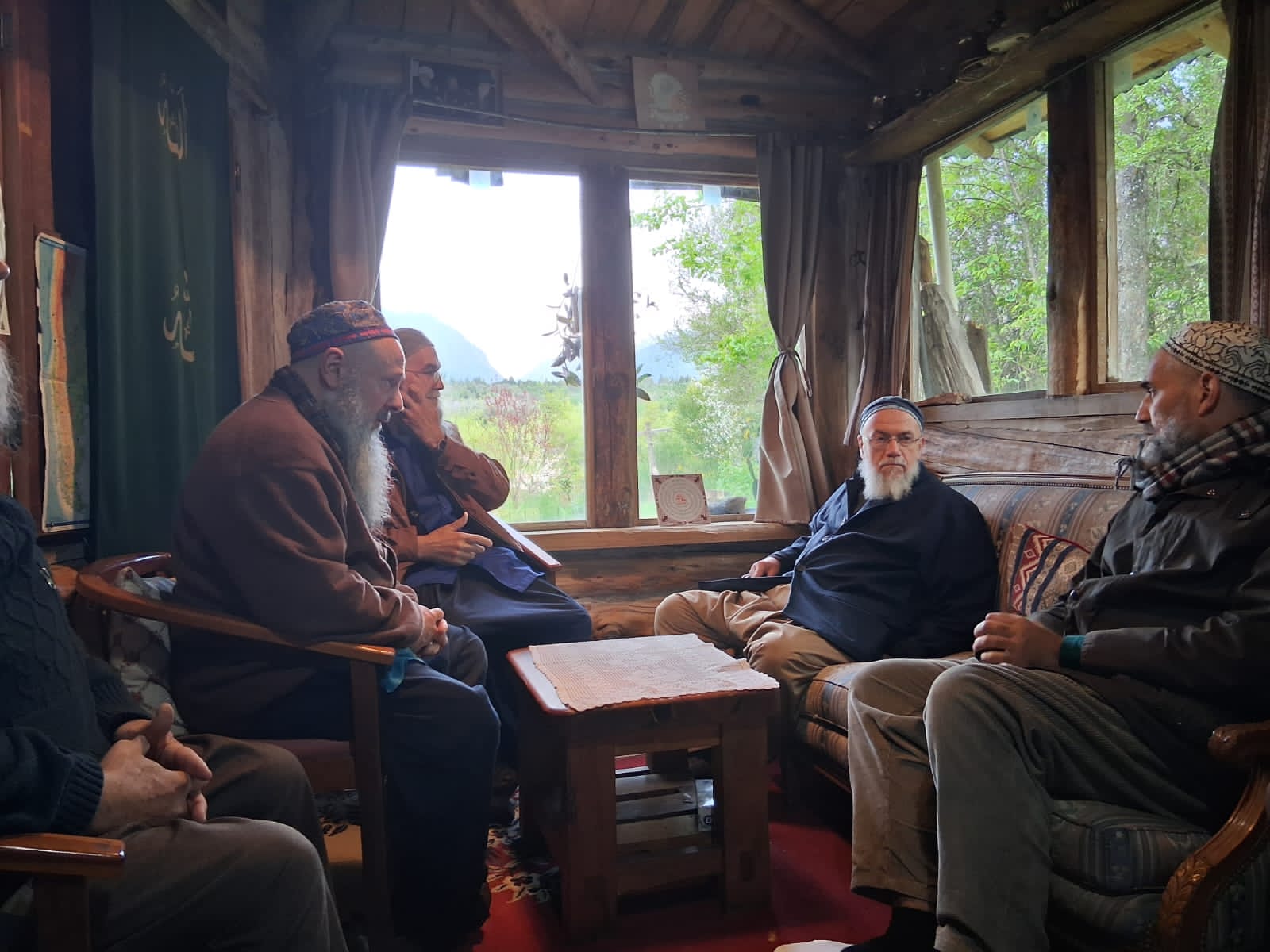
Dergah Mallin Ahogado, Patagonia, Argentina
As-Salāmu ‘Alaykum wa RaḥmatuLlāhi wa Barakātuh.
A‘ūdhu BiLlāhi Minash-shayṭāni r-rajīm. BismiLlāhi r-Raḥmāni r-Raḥīm. Wa ṣ-Salātu wa s-Salāmu ‘alá Rasūlinā Muḥammadin Sayyidi l-Awwalīna wa l-Akhirīn. Madad yā RasūlAllāh, Madad yā Sādāti Aṣḥābi RasūliLlāh, Madad yā Mashāyikhinā, Dastūr Mawlana Sheikh Abdullāh al-Fā’iz ad-Dāghistāni, Sheikh Muḥammad Nāẓim al- Ḥaqqānī. Madad.
Ṭarīqatunā aṣ-Suḥbah wa l-Khayru fi l-Jam‘iyyah.
In shā’a Llāh, may Allāh ﷻ give us to be all the time in good gatherings like this, in shā’a Llāh. Prophet ṣallá Llāhu ‘alayhi wa-sallam says, the best thing for the mu’min is to be helpful to other people. In everything; helpful in teaching people, or in any kind of help.
This is a ḥadīth, the best one is who is best for his family, his country and human beings. Of course, most people think if they do this, they will lose something from their benefit. If you help one and he becomes better than you, you think you will lose. This is the thought of people, but not the thought of believers. The believer is not like this. The believer helps everyone. Also who has good thinking must know this. If you are in a good position, your neighbor is in a good position, the other one is good and other is also good, all people will be happy and there won’t be a problem.
But shayṭān is envious. He is teaching people to be envious. He doesn’t help them to be helpful to each other; no. He wants nobody to help the other, nobody to be happy.
This is AlhamduliLlah what Prophet ṣallá Llāhu ‘alayhi wa-sallam is teaching human beings. This teaching was Prophet ṣallá Llāhu ‘alayhi wa-sallam’s teaching. When Prophet ṣallá Llāhu ‘alayhi wa-sallam was teaching and telling people about Islām, the people of his ﷺ tribe and those around him ﷺ when he ﷺ was living in Makkah Mukarramah, were envious, not accepting. Because they don’t want.
They have proudness and they don’t want anybody to be like them. They wanted everyone to be below them. And many of them know and Prophet ṣallá Llāhu ‘alayhi wa-sallam showed them miracles. He ﷺ told them what’s important.
They even knew Prophet ṣallá Llāhu ‘alayhi wa-sallam before he ﷺ became a Prophet. They know he ﷺ is honest, not lying, not doing any bad thing. But the biggest thing that destroyed them is envy and proudness. As it is mentioned in Qur’ān also,
‘‘وَقَالُوا لَوْلَا نُزِّلَ هَٰذَا الْقُرْآنُ عَلَىٰ رَجُلٍ مِّنَ الْقَرْيَتَيْنِ عَظِيمٍ”
‘’Wa Qālū Lawlā Nuzzila Hādhā Al-Qur’ānu `Alá Rajulin Mina Al-Qaryatayni `Ažīm”
‘’And they say:
“Why is not this Qur’ān sent down to some great man of the two towns (Makkah and Tā’if)?”(Qur’ān 43:31).
They say, why is it coming to Sayyidina Muhammad ﷺ – they call him ﷺ “Muhammad” only – and not coming to this one. They have one wise man who was living in Arabia. He was a wise man and everybody knew his position is higher than theirs. From their proudness, they were saying some things that the mind doesn’t accept.
Allāh ‘Azza wa-Jalla chose Prophet ṣallá Llāhu ‘alayhi wa-sallam and is not asking for peoples’ opinion, “Whom shall I choose? Do you want to make elections?” Even this man who they said is wise became Muslim later. And they were calling him saying, “Prophecy must be yours. You must be the Prophet.” He told them, “No. Now, I accepted Islām and he ﷺ is the Prophet. The highest one is Sayyidina Muhammad ṣallá Llāhu ‘alayhi wa-sallam.” Even with this, they didn’t accept. This is a very bad character to be proud and envious. This is the character of shayṭān.
Al-ḥamdu liLlāh, if you see somebody, al-ḥamdu liLlāh who has a good business, has enough to live, has a good family, is teaching good adab, good manners, we are happy with them the most. This is the happiness for us and for believers; all believers also. Who are not believers are not happy. Everything they see, even if not for Muslims or for believers, they get envious from anybody. For this, they are fighting the whole time and not happy.
Ṭarīqah people, alhamduliLlah, have good adab, good teaching. It’s been like this the whole time, since the time of Prophet ṣallá Llāhu ‘alayhi wa-sallam until now. Who are in the way of Prophet ﷺ, way meaning ṭarīqah, are helpful for each other and for other people also. If they see somebody who’s in need for help, they help him as much as they can. And of course, after the Ottoman time ended, many things changed in the world; especially in Muslim countries. And when Muslim countries lost good manners, other people also, the whole world lost it.
Slowly, slowly this good manner became less and less. And it nearly finished. If you find some people helping or are trying to help, people misunderstand them or don’t believe them.
In the time of Ottomans, there was like ṭarīqah, all ṭarīqah people – there were teachers for the traders and for each occupation. For each what he wants to become. What will this boy be? Maybe he wants to become a butcher. They put him in a butchery to learn how to become butcher with an owner or master. The other wants to become a carpenter. Also the same, they put him in a place with a master of carpentry.
Any profession he must learn like goldsmith or blacksmith or other, they were going through this process. And when they were beginning it, they were beginning with du’ā’, taking him to the shop and beginning with Bismi Llāhi r-Raḥmāni r-Raḥīm, praying for him.
There are of course many professions, not one, maybe a hundred, two hundred, as much there is. Each must be with the master of the profession he is happy with until many years. And when he finishes – of course there are many degrees. Each degree is called a different name: after 2 years like this, after 4 years, after 6 years. And when he finishes, they test him, ask him some things and give him a certificate.
And of course, during all this time they are teaching him adab, good behavior, respect for the old and young and everyone. After that, they also make a ceremony, du’ā’ and give him this certificate.
These people were helping each other. If there is a customer coming to him, if he sold something and his neighbor near him didn’t sell anything yet, he sends him this customer. He says, “Today I made enough. So the other one must also be happy.” What happens then? This is happy, the other is happy, the other is happy, the whole country becomes happy.
If he said, “No, every customer must be for me. I must take them all,” he also will not be happy because he will think, “O look, these people are looking at me that I have too much business yet they don’t have. They are envying me. I am doing all this, but they cannot do anything.” Also the country becomes an unhappy country. And it was like this for hundreds of years, until these shayṭān people came and taught them to be envious and to kill each other, to be not happy with anyone.
Because in the Ottoman time, they were living with 70 different people, ethnicities. And what we were saying applied to all. It’s not that if he was Muslim, he will not send his customer to the Christian or Jewish or other people. No, if he had a customer, he will send him to the others also. To make everybody happy.
But these shayṭān people make fitnah and make people be against each other. And when this happened, happiness went and fitnah came. And after this, what happened? Maybe millions of them left the country. And they came this place. From that good country, they came to a place for dunyā. But when coming for dunya, there is no benefit for most of them. Yes, from envy they destroyed everything and made people miserable.
Allāh ﷻ gives provision, rizq for everybody. And you must believe in this. Don’t be envious, in shā’a Llāh.
As we said, millions of people came here. In shā’a Llāh, maybe half of them were Muslim. But when they came here, they lost this also. In shā’a Llāh, may Allāh ﷻ give hidayah for others also, in shā’a Llāh. Because we cannot say this for children or grand grandchildren – ok also for this – but Allāh ﷻ is able to give hidayah for new people also; no problem. A place like this is, in shā’a Llāh, throwing light in the hearts of people, in shā’a Llāh. Just like the butterflies come to light, may He ﷻ make these people come to Islām through places like this.
May Allāh ﷻ give us good understanding, in shā’a Llāh, and keep us safe from every badness, in shā’a Llāh.
Wa min Allah at-tawfiq, Al Fatiha.


*LIKE THE HEART OF SAYYIDINA IBRĀHĪM*
Mawlana Sheikh Muhammad Adil ar-Rabbani
24 October 2025/ 03 Jumada al-Awwal 1447
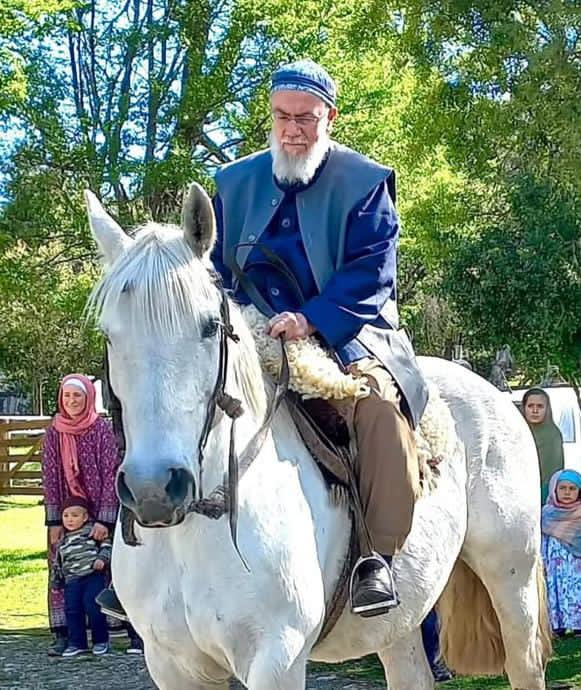
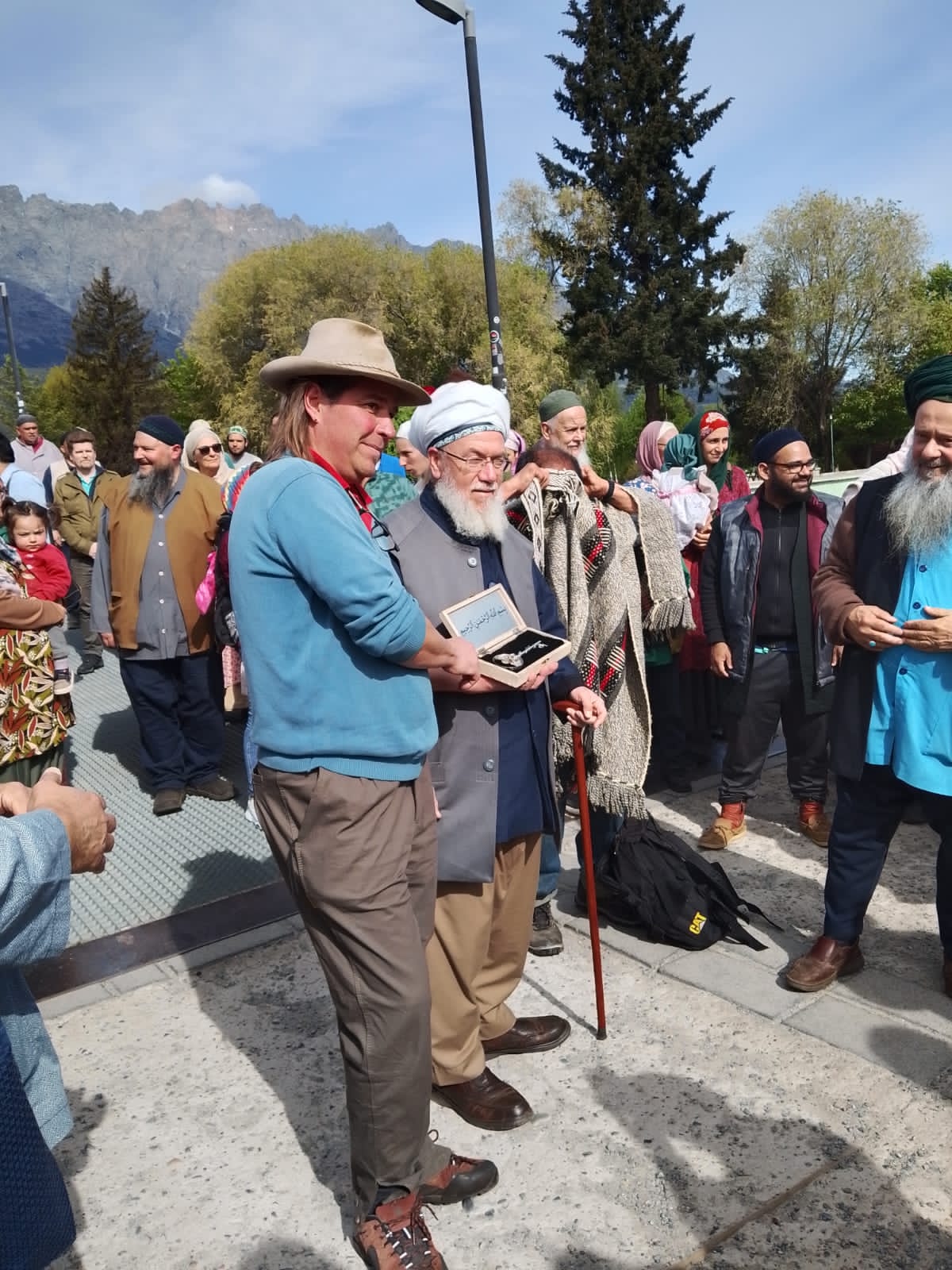
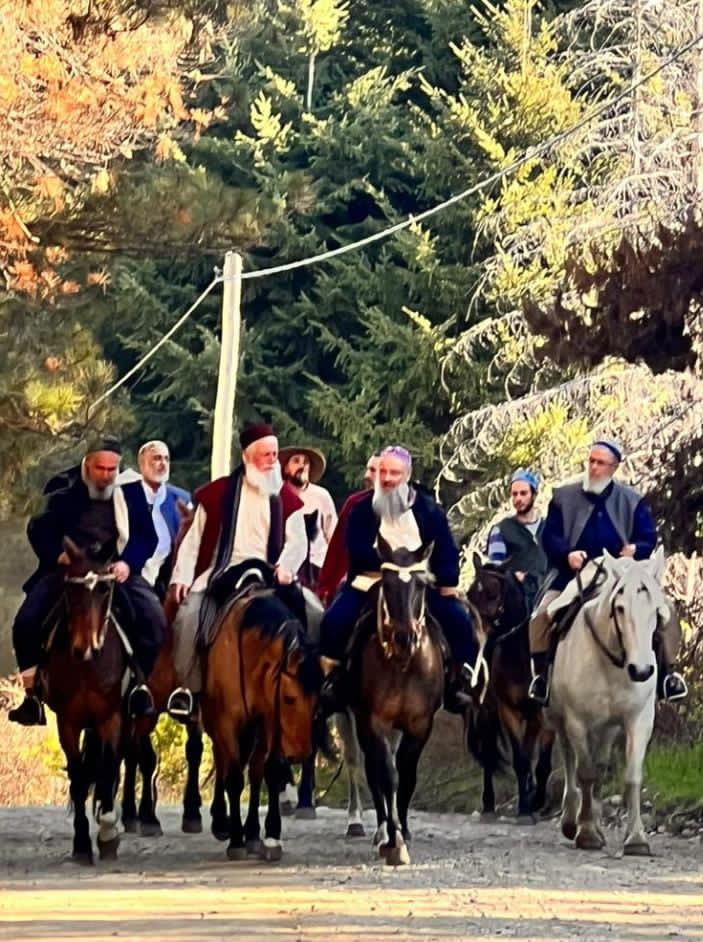
San Esteban Dergah – Córdoba, Argentina
As-Salāmu ‘Alaykum wa RaḥmatuLlāhi wa Barakātuh.
A‘ūdhu BiLlāhi Minash-shayṭāni r-rajīm. BismiLlāhi r-Raḥmāni r-Raḥīm. Wa ṣ-Salātu wa s-Salāmu ‘alá Rasūlinā Muḥammadin Sayyidi l-Awwalīna wa l-Akhirīn. Madad yā RasūlAllāh, Madad yā Sādāti Aṣḥābi RasūliLlāh, Madad yā Mashāyikhinā, Dastūr Mawlana Sheikh Abdullāh al-Fā’iz ad-Dāghistāni, Sheikh Muḥammad Nāẓim al- Ḥaqqānī. Madad.
Ṭarīqatunā aṣ-Suḥbah wa l-Khayru fi l-Jam‘iyyah.
[…] We read the ḥadīth of Prophet ṣallá Llāhu ‘alayhi wa-sallam [in Khutbah],
“لا يزال أربعون رجلا من أمتي قلوبهم على قلب إبراهيم يدفع الله بهم عن أهل الأرض ، يقال لهم الأبدال”
“There will always be forty men from my nation whose hearts are like the heart of Ibrāhim, Allāh ﷻ removes affliction from the people of earth through them. They are called al-Abdal.”
Forty people, sincere people, their hearts incline to Allāh ‘Azza wa-Jalla, their hearts are like the heart of Sayyidina Ibrāhīm ‘alayhi s-salām. Sayyidina Ibrāhīm ‘alayhi s-salām is one of the great prophets. There are seven prophets who are Uli l-‘Azm, the mighty prophets.
Many things happened to him, many things since he was a youngster. And Allāh ﷻ showed him. Without any guidance, Allāh ﷻ guided him to be a prophet. He grew up in a place where there was Nimrod. Nimrod was a tyrant. He was controlling all this area, the area of the Mediterranean, the middle east; a very big area. He was controlling this area and making people worship him. He ordered people to make a statue of him. So to have a statue or something like this is not good. He had one. Not the father of Sayyidina Ibrāhīm but his stepfather, Azar, was building his statue and getting benefit from this one, Nimrod.
But when Ibrāhīm ‘alayhi s-salām was a boy, he was wondering why were they doing this. And after that, he saw that people were worshipping this statue, and not taking anything from them. When he became older than a teenager, he was thinking, “These people are worshipping this; this is not my god. It cannot be god, they have no benefit for them. Only some people benefit from this thing but the others are paying them.” And Allāh ﷻ gave him an inspiration to look for God. It is also mentioned in Qur’ān, at night-time he saw one star, he was happy with it. He said, “This is my god. It is very high, very shiny; it’s nice. This must be god.” This star was maybe a planet or something. After a little bit it disappeared. He said, “I don’t like god to disappear. Once coming, once not coming. This is not for me.” After that, he saw a moon. He said, “This moon is shining more than this planet, this star. It must be god.” But after a little bit, also the moon disappeared. He said, “Oh, this is also not god. I don’t like that. Maybe I will be lost. I must look for another thing.”
After that was coming the daytime, the sun was shining. Every thing appeared and it was big, so he said, “This is bigger. It must be god.” After this, of course, the sun also set. He is said, “It’s also not.” He said, “I cannot accept this. I am not from those who put [associate] something with God. I only have one God.” Allāh ﷻ opened for him and he started telling people, “What are you doing! This is not good. Don’t do this.”
Some people were happy but some of them not. There were some complaining. But nothing happened until one day came that was specially for celebrating something. And in this day, they were all out of the city so he went into the temple where they were worshipping these idols. He took an axe and broke them all. Then, he put the axe in the hand of the biggest one.
When these people came back, they were looking at this temple; they were surprised at what happened there. Nimrod also heard about this. He said, “Who did this?!” They said, “We heard that one boy was saying, “What you’re doing is not good. There is no benefit from this.” Maybe he did this. We are sure he did this.” They brought Sayyidina Ibrāhīm and asked him, “Who did this?” He said, “You see the axe is in his hand [the biggest idol], he did this.” Nimrod said, “Are you crazy! How can he do this? He can’t do anything. He just stands there. He is from stone.” That time, he gave a proof that this is not a god, only a stone; nothing else. All people agreed with him.
And because all people won’t be worshipping this Nimrod idol anymore, Nimrod became very angry. So he caught him and made a big fire. Maybe for 40 days, or maybe for months, he collected wood that it became like a mountain of wood. He burnt this wood causing a huge fire. But they couldn’t go near the fire because it was burning everything maybe from a kilometer far away. They wondered how they can reach there. So they made a catapult.
In old times they used to throw stones using a catapult. So they made Sayyidina Ibrāhīm sit there and threw him into the fire. Allāh ‘Azza wa-Jalla says, everything is in the Hand of Allāh ﷻ. He ﷻ said to the fire, “O fire,” ‘يَا نَارُ كُونِي بَرْدًا وَسَلَامًا عَلَىٰ إِبْرَاهِيمَ’,
‘Yā Nāru Kūnī Bardāan Wa Salāmāan `Alá ‘Ibrāhīm”
“O fire, be coolness and safety upon Ibrahim.” (Qur’ān 21:69).
“Be cool, and let there be greenery and water for Ibrāhīm ‘alayhi s-salām.”
Because it was a very strong fire, they couldn’t make anything to Sayyidina Ibrāhīm. Allāh ﷻ made this a miracle for people to follow Sayyidina Ibrāhīm ‘alayhi s-salām.
Still, because of Nimrod’s proudness he didn’t accept what happened. He didn’t accept to follow Ibrāhīm ‘alayhi s-salām. He was preparing a big army to go against Sayyidina Ibrāhīm ‘alayhi s-salām.
Allāh ﷻ also made a miracle with a very small, very weak insect. He sent them a mosquito. The mosquitoes were coming like clouds upon them. There was an army, an army wearing iron. This mosquito entered through them. Allāh ﷻ gave these mosquitoes a power different from the ones in our time. They attacked them leaving skeletons. They ate everything. Some of them were running away. And Nimrod also ran away and locked himself up in his castle. But Allāh ﷻ sent him the weakest of mosquitoes. It was even disabled. It entered from his nose reaching his brain, and began to eat. Every time it ate, he was aching so much that he was hitting his head and it stopped for a little bit. Slowly slowing this mosquito – this was also a miracle of Allāh ‘Azza wa-Jalla – it was becoming bigger and bigger. So they must hit his head even stronger. This is that Allāh ‘Azza wa-Jalla wants to torture him in dunyā before ākhirah, for him to accept but he didn’t. This is the characteristic of human beings.
Some people when they have something, they don’t [accept] – the worst attribute of human beings is proudness. To see some people lower than them. For this, he was seeing everyone lower than him. So, he didn’t accept at all. They were still doing this for a long time. In the end, he was shouting from ache. They heard him and hit his head very strongly, it broke. He died because his head opened but this mosquito was still alive and became as the size of a bird; that big.
Of course, there are many miracles of prophet Sayyidina Ibrāhīm ‘alayhi s-salām. He is also the father of prophets, many, hundreds of prophets. His lineage was divided into two, one descending from Sayyidina Is’hāk and one from Sayyidina Ismail. From Sayyidina Is’hāk was coming Sayyidina Musa and others, banī Isrāil. All these were descendants of Sayyidina Is’hāk ‘alayhi s-salām. And Prophet ṣallá Llāhu ‘alayhi wa-sallam descended from Sayyidina Ismail. So he is the grand father of Prophet ṣallá Llāhu ‘alayhi wa-sallam.
For this, he ﷺ was also saying in ḥadīth, his heart was full of belief, īmān. For this, every time in salah, prayer, we say, “wa ‘ala āli Sayyidina Ibrāhīm.” We mention Sayyidina Ibrāhīm also in every prayer.
Of course, Sayyidina Ibrāhīm ‘alayhi s-salām had also done many things. One of them, the biggest one – one of the pillars of Islām; which we must perform: Ḥajj. He built the Ka’bah. He and Sayyidina Ismail built the Ka’bah. And it is of course big, maybe 10 to 12 meters long. They were taking and building. And this is also one miracle and it’s still there. It’s a miracle how he’s built the Ka’bah. In front of the Ka’bah is maqām Ibrāhīm. Some people destroyed Ka’bah many times but they couldn’t destroy this. Because this was as [ladder] to build Ka’bah. He was standing on this stone and the stone was going up, coming down, like this. When he wanted to put a one up, he would stand on this stone and fly. Because it was only he and his son Ismail ‘alayhi s-salām. There wasn’t anybody to help them.
AlhamduliLlah when he finished, Allāh ‘Azza wa-Jalla told him, “Call people to come to ḥajj to make pilgrimage.” But there was nobody around this area; only both of them. But he didn’t say anything. He was just calling people to come for pilgrimage; like the adhan. But there wasn’t anybody there. Prophet ṣallá Llāhu ‘alayhi wa-sallam says, this adhan means that anyone who’s been or will be to ḥajj has heard this adhan.
So millions and billions of people had heard this, and after centuries, after thousands of years, they came to this invitation. This is the invitation of Allāh ﷻ through Sayyidina Ibrāhīm ‘alayhi s-salām.
May Allāh ﷻ make our heart like his, as Prophet ṣallá Llāhu ‘alayhi wa-sallam said. “الصَّابِرِينَ وَالصَّادِقِينَ وَالْقَانِتِينَ وَالْمُنفِقِينَ وَالْمُسْتَغْفِرِينَ بِالْأَسْحَارِ”
“Aş-Şābirīna Wa Aş-Şādiqīna WaAl-Qānitīna Wa Al-Munfiqīna WaAl-Mustaghfirīna Bil-‘Asĥāri”
“The patient, the truthful, the obedient, those who spend [in the way of Allah ], and those who seek forgiveness before dawn.” (Qur’ān 03:17), says Prophet ṣallá Llāhu ‘alayhi wa-sallam. To be asking for forgiveness, to pray in night and day and to ask for forgiveness from Allāh ﷻ.
May Allāh ﷻ bless you all, in shā’a Llāh, in this way, to have like the heart of Sayyidina Ibrāhīm ‘alayhi s-salām.
May Allāh ﷻ bless you.
Wa min Allah at-Tawfiq. Al-Fatiha.
http://www.mawlanasultanorg.za


 Sufi Path of Love